
Introduction
Fleas are small creatures that cause severe trouble for cats by sucking their blood. They move quickly from one host to another. Cats may carry fleas from outside, from other pets, or even via fleas that sneak into the home through a human. In the event that you notice your cat scratching itself, licking its coat, and grooming more than usually, this could be a sign of flea infection. There can be several other signs of flea infestation: red spots on the skin, scabs, hair loss, and other signs of irritation. It is crucial to act quickly once you notice fleas on your cat, as fleas reproduce very quickly.
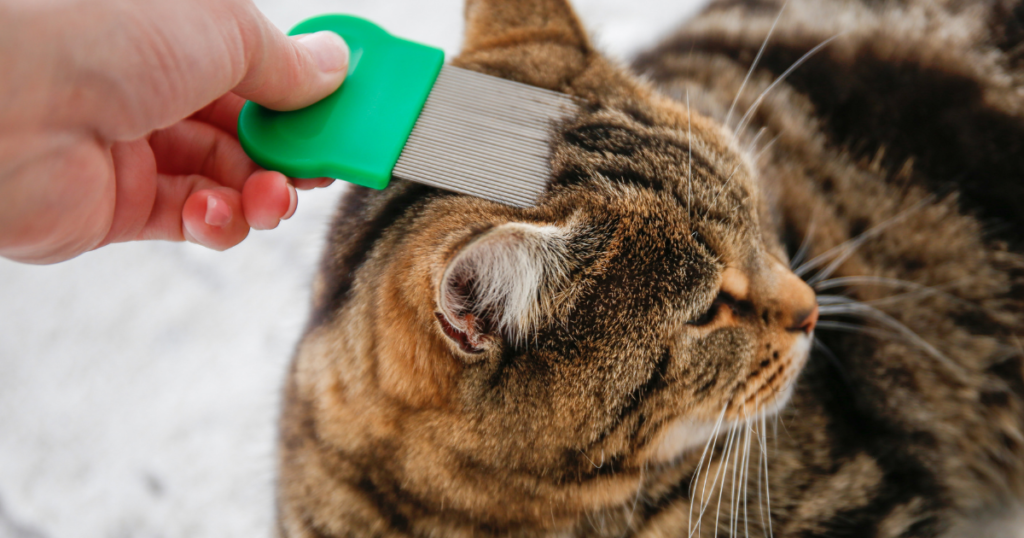
Adult fleas will live on your cat, while the eggs and other stages of fleas can be hanging around in carpets, furniture, and places around your house. This indicates that just treating your cat may not resolve the problem. It is important to treat the cat as well as clean the surroundings. The flea comb can assist in removing some adult fleas, while flea medication can help you in providing better results. Flea medications meant for dogs are not to be given to cats unless specified otherwise. Some medications for dogs can harm cats. Through proper treatment, cleaning, and prevention, fleas can be eliminated and the comfort of the cat can be maintained.
Safe Treatment
When it comes to treating cat fleas, the first thing you need to do is to choose the right treatment. A simple flea comb can be used to examine your cat for adult fleas. You simply run the comb over your cat’s fur and check the comb afterwards for fleas. Once you find any fleas, you can place them in a bowl with water and soap to drown them. Remember, though, that this process won’t address a whole flea infestation, as there might be flea eggs and larvae in your house. So it is better to use a product specifically made for cats. When applying flea treatments, be careful to use a product that complies with the recommended dosage.
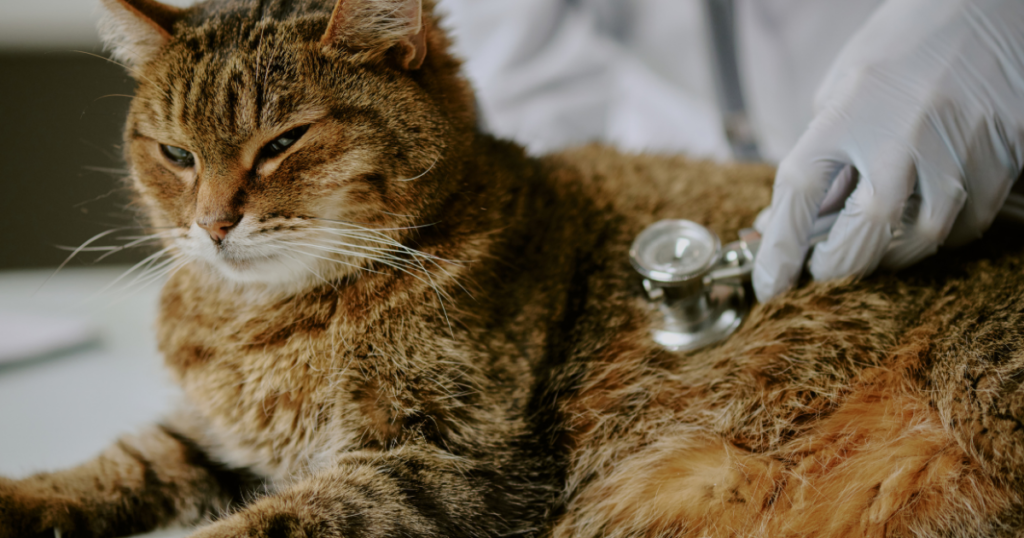
Typically, flea treatments for dogs are effective, but they may contain poisons like permethrin, which can be harmful to cats. Therefore, if you are thinking about applying flea remedy onto your cat at home, it will be a good idea to first ask a vet beforehand about possible implications of usage of a particular product, especially if you have kittens, pregnant or nursing cats, or sick and old cats. Moreover, avoid using traditional remedies such as pet oils, garlic, or any products containing alcohol.
Home Cleaning
The elimination of fleas from your cat is not a simple task, as not only is your cat involved but also a lot of flea eggs and larvae are left in the house. The first step in the process is vacuuming your carpets, rugs, furniture, and any other locations of your cat. Pay special attention to the corners and cracks and places near furniture where your cat is resting. When vacuuming, you should remember that this is the only way that you will get rid of flea eggs and larvae, including all other rubbish at home. Purchase a proper washing detergent and perform necessary washing. Make sure you vacuum all places where the cat
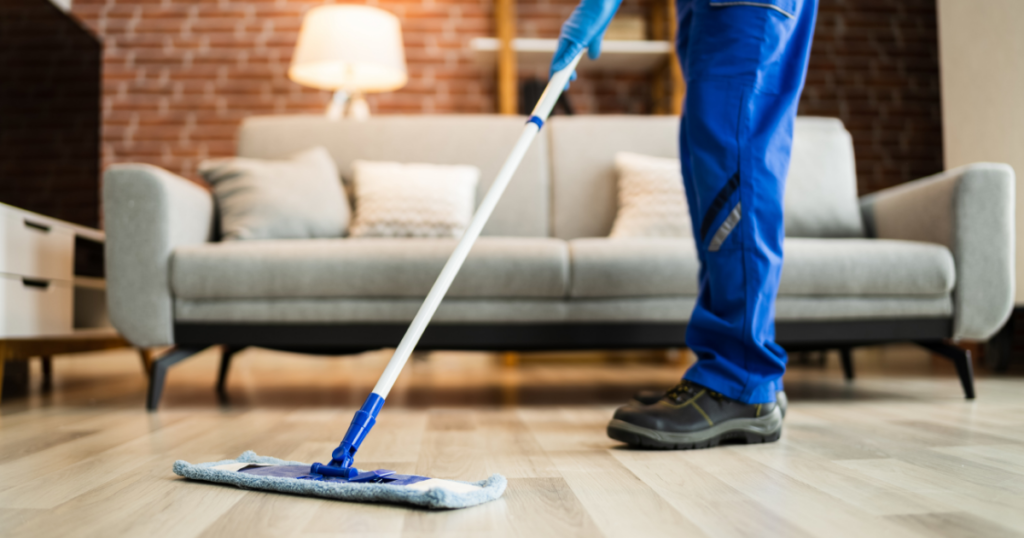
Fleas can lurk in soft items, allowing them to complete their entire life cycle even when you rid your cat of adult fleas. It is important to check your other pets for fleas, too. Always administer a flea treatment suitable for the specific species. Flea treatment formulated for dogs should not be given to cats. Regular cleaning should continue to take place because one may still spot some fleas after beginning treatment. This is due to the emergence of new adult fleas from earlier life stages.
Flea Prevention
Once you have cleared your cat from fleas, it is essential to take measures to avoid recurrence of the problem. A cat that has not been treated will easily fall victim to infestation again, so you should discuss with your veterinarian about effective flea control approaches depending on your cat’s age and weight, among other factors. Always adhere to the instructions for application found on the product label and use the proper schedule. Never give your pet an overdose unless your vet has approved it. You may also prevent flea infestation in your cat by grooming it often with the help of a flea comb or any other comb on the neck and belly area. It is also a good idea to clean your pet’s bedding regularly and to vacuum your residence on a regular basis.
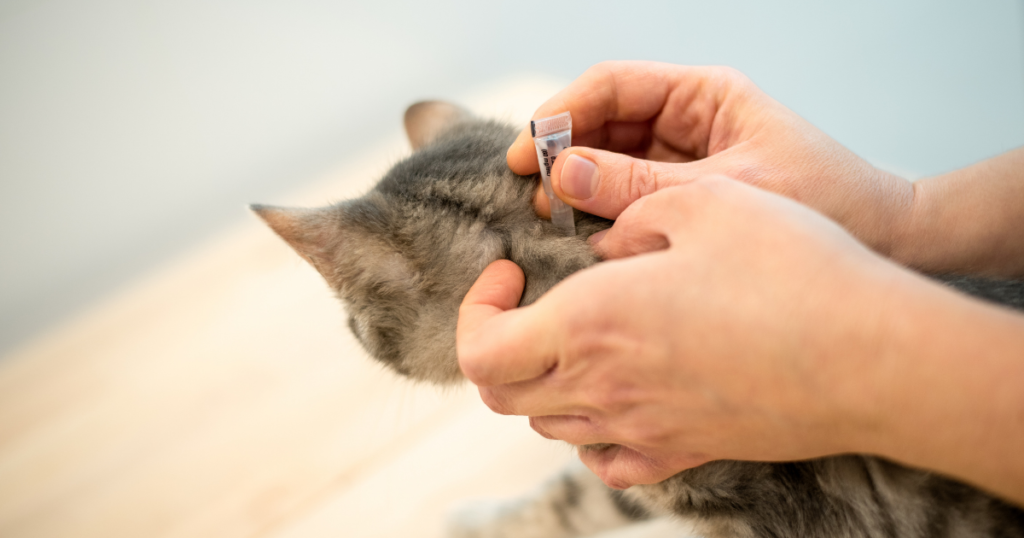
If you have an outdoor cat, be sure to check its fur afterward because fleas might be brought at home from pets or from dirty locations, and it is impossible to be fully safe from fleas inside. If you are taking care of several pets, you may need to consult your veterinarian for the most efficient flea prevention method for all of them. Keep a schedule of your flea treatment for every pet in a diary so that you don’t miss any dose. If you remain consistent with flea prevention, grooming, and housekeeping, you will undoubtedly prevent flea infestation in your cat as well.
Vet Care
When it comes to fleas on cats, they can cause more problems than scratching. If there is a big flea infestation, it can pose even bigger threats, especially to kittens and small cats, since fleas live off of blood. In severe cases of flea infestation, a cat might get weak and may even develop anemia. Signs that your kitty is suffering from major flea problems include scratching, open wounds, excessive fur loss, swollen/infected skin, and lethargy. About pale gums, take note that even that is an indication for veterinary assistance. In addition, cats can develop flea allergy dermatitis, which can lead to scratching even with a few fleas. If a cat continues to scratch even after flea treatment
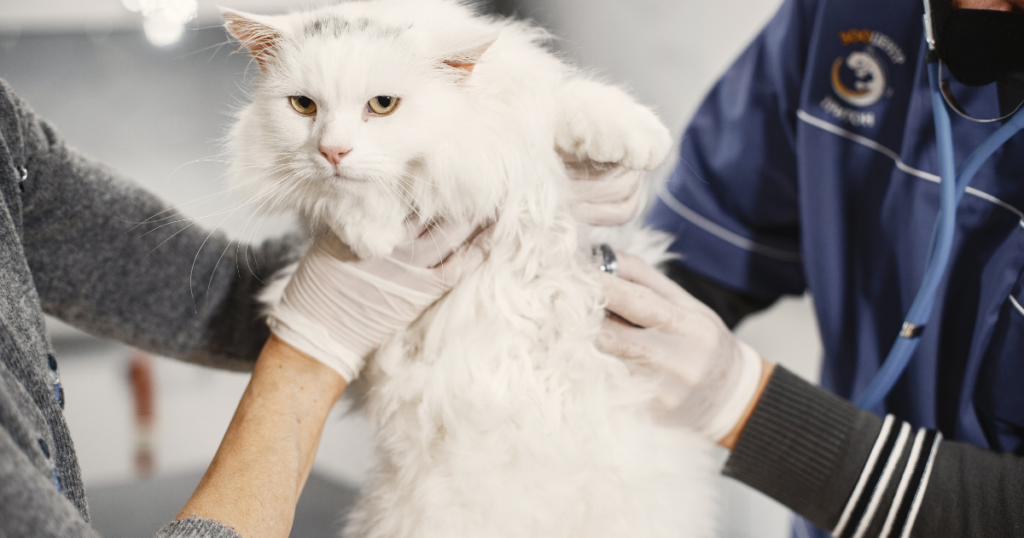
It is important to note that only a vet has the authority to establish the diagnosis and recommend the treatment. In case your cat displays any allergy to a flea solution, such as drooling, vomiting, lack of energy, and shivering, it’s important to seek advice from the vet immediately. Do not prescribe any other flea treatment without prior consultation with a professional in case of suspected allergies.
Flea infestation should be solved with the use of various effective means of treatment, prevention, and cleaning.