
Introduction
The type of food you will feed your kitten is an important factor to take note of as a first-time pet parent. Your kitten will grow very fast, and it must satisfy its many nutritional needs in order to have a strong skeletal system, well-built muscles, sharp brain functioning, and a strong immune system. This explains why kittens have higher nutritional needs than adult cats, and kitten food must therefore have the right combination of all nutrients necessary in the body, including proteins, fats, vitamins, and minerals.
Choosing the right diet can play a vital role in keeping a kitten healthy and active throughout the day. This article is all about the important factors that determine the right food for kittens, the difference between dry and wet food, the necessary nutrients, and the list of foods that you must avoid, along with the best feeding practices.
Why Kitten Food Matters
Understanding how to feed kittens is essential due to their rapid growth compared to adult cats. Kittens’ diet should contain carbohydrates, fatty acids, and vitamins, as nutrition is critical when it comes to the formation of teeth, bones, and muscles. Hence, it’s of utmost importance to observe the growth stages of kittens in order to have the proper diet for them. Then, it is best to use proteins from meat and fish for the diet of kittens, thus feeding them with amino acids.

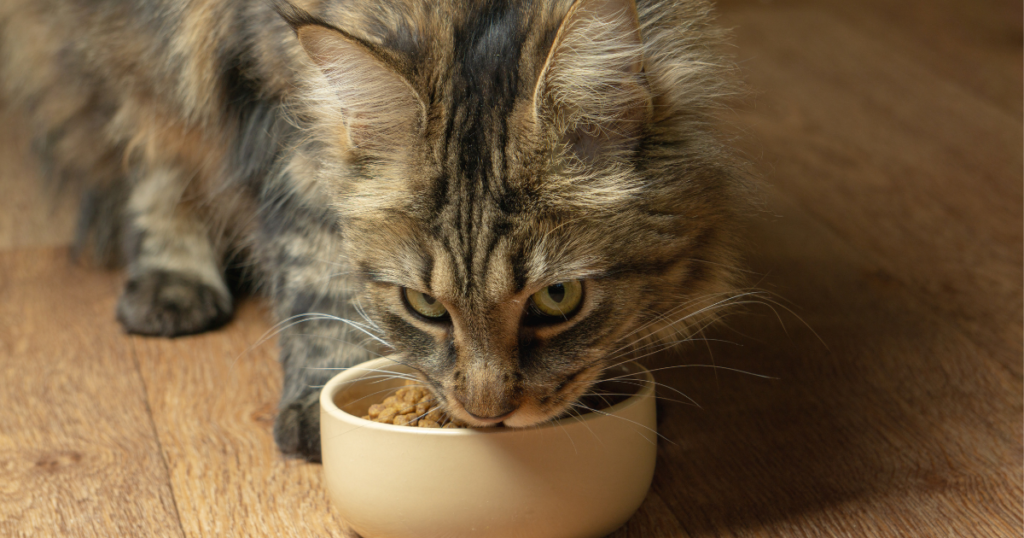
The use of wet food for feeding kittens can be a positive aspect since it is filled with an ample amount of water content. Not only that, kittens find it easy to consume wet food. On the contrary, dry food is beneficial as well from a nutritional point of view, and the kittens can be fed the mixture easily on a daily basis. The right food for the kitty depends on her age, health condition, size, activity, and related attributes. Do not forget to provide the kitten with clean drinking water.
Wet Food or Dry Food: Which Is Better?
When pet owners make a decision regarding their kittens’ feeding options of wet food or dry food, some of them might question the better one. Prepared for kittens, both types of food will give proper nutrition for kittens. The wet food has high moisture, which helps kittens to stay hydrated, and its soft texture makes it easy for little kittens to be fed. Moreover, the kittens enjoy the taste and the scent of wet food, which makes it reasonable for picky eaters. The dry food is easy to use, store, and measure. Also, due to the formation of taste, the kittens may prefer dry food in the future.
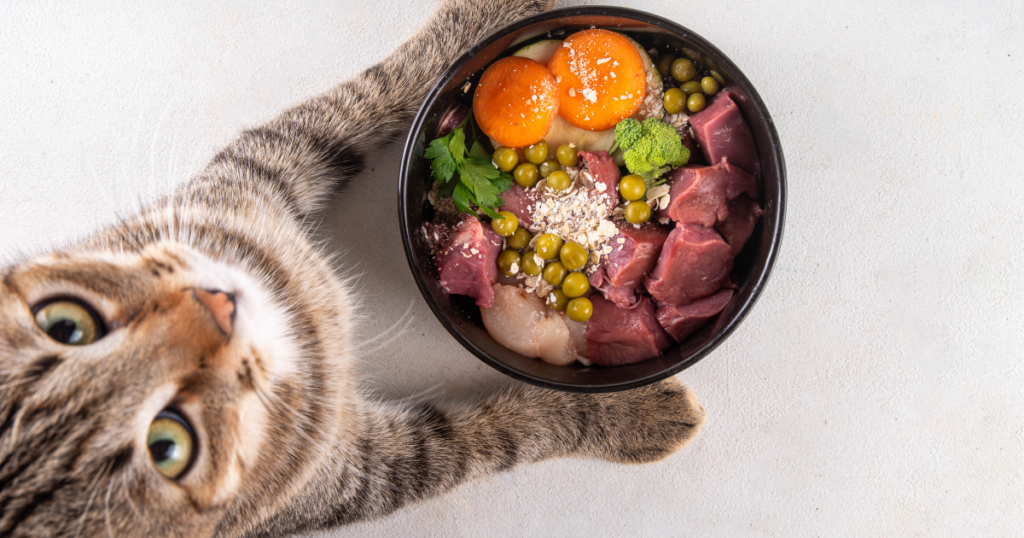
Delivering numerous products for clients makes the feeding process of the cat easier. At the same time, you have to be careful with the portions served to your cat; indeed, kittens need energy to grow but should be kept from being overweight. Try to read instructions, as well as to alter your kitty’s portions based on the age and weight of your pet. In case of any health issues, do not forget to visit your veterinarian. However, it is vital to keep track of the portion sizes since kittens need the right nourishment to grow and develop properly, and should not be overfed. Follow the manufacturer’s instructions and adjust the amount based on your kitten’s age and weight. In case your kitten has a health issue that necessitates a special kind of feeding, do not hesitate to consult a veterinarian.
Essential Kitten Nutrients
To grow and develop properly, kittens must consume the right food. One important part of kittens’ diets is protein, which is necessary for muscle, tissue, and organ development.Besides protein, kittens also need healthy fats. They give them energy and help their brain and nervous system develop properly.. In addition, fatty acids like DHA are especially significant in the time of fast growth. Calcium and phosphorus help kittens to grow strong bones and teeth, while other appropriate nutrients, such as vitamins and minerals, help to work properly the immune system and other organs of the body. However, taurine is one of the essential substances needed by the kitten’s body for supporting the heart and eyes.
Avoid feeding kittens mostly table scraps because human food does not give them all the nutrients they need. Some foods from humans could be dangerous for cats as well. Treats can be part of your kitten’s diet, but only in small amounts. Make sure the main meals provide all the nutrients your kitten needs. If you want to make homemade food, follow a recipe from a qualified pet nutrition expert to ensure it has the right nutrients. Being able to read the label of a certain food would make it easier to find the right food for kittens.
Foods to Avoid
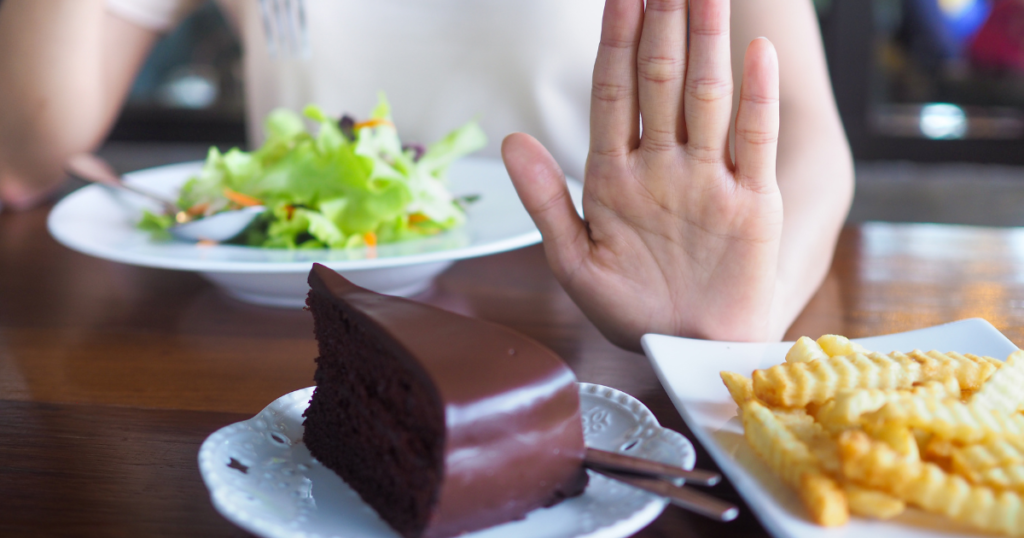
Apart from the importance of making a wise choice regarding kitten food, it is equally important to be aware of the culinary faux pas to avoid when feeding a kitten, as its digestive system is very sensitive. For example, some human foods that are safe for humans are not safe at all for kittens. Never offer kittens chocolate, onion, garlic, grapes, or alcohol. Also avoid any caffeinated beverages as well. You should also avoid feeding foods high in salt, spice, sugar, or fat content. At the same time, raw meat and raw eggs can be the source of bacteria. And boiling bones can lead to the problem of splinters. Cow’s milk is not advised by most veterinarians to give to kittens after they stop suckling because many cats find it hard to digest lactose. Avoid making abrupt changes.
When you introduce a new kitten to his/her food, there’s a chance he/she could develop stomach upset (loose stools, vomiting, etc.) if switched abruptly. Gradually increasing amounts of the new food with corresponding decreases in previous food across several days should allow safe introduction of an entirely different type of cat food without problems. It’s important to keep all varieties of snacks/foods deemed unsafe out-of-reach for any feline! Remember your kitten may be extremely curious and will want to taste everything in order to discover what’s tasty & what isn’t. If your kitten does ingest anything that might be dangerous, please get in touch with a qualified veterinary professional who can give guidance on moving forward.
Healthy Feeding Tips
Once we find the best foods for our little buddy, we don’t realize how important it is to feed them according to certain feeding guidelines. With such tiny tummies, they can’t eat big meals frequently and hence have to consume frequent small servings because of higher caloric requirements.
Besides following these feeding guidelines mentioned on the pack, one needs to keep their kitten’s age and other parameters in consideration before serving up huge chunks of food every now and then.
So let me list down some crucial things that you must remember while feeding your cute bundle of joy—
Always ensure availability of fresh water. Make sure your kitten’s water bowl remains clean at all times by regularly washing out. You can go through their health conditions as well as development progression to assess whether your cat requires more food than what you’re providing. Overfeeding leads to unhealthy weight gain while underfeeding stops normal development. Remember this cute munchkin deserves regular attention from you rather than tossing tons upon tons when he asks politely!