
Introduction
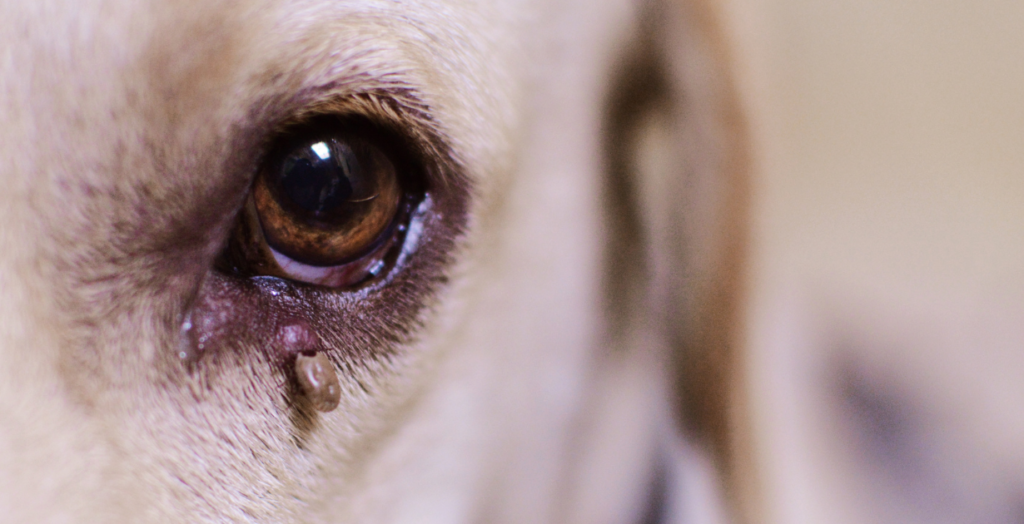
It is important to realize how dogs’ ability to have a 360-degree vision affects their well-being. Many dog owners face the problem of their pet suffering from an eye infection that has to be treated, because it results in pain and discomfort and could eventually lead to the pet losing its vision if mishandled. The majority of times various bacteria and viruses cause eye infections, but many other possible causes such as dust and injuries to the eye exist.
The symptoms of an eye infection in dogs include redness and swelling of the eye, discharge, watering of the eye, and constant rubbing of the eye with its paw. The fast treatment of an infection in the eye of a dog helps to keep not only free of pain symptoms but also to prevent complications and to protect your dog’s vision. It is important to know that treating a dog’s eye infection with human eye drops without consulting a veterinarian may lead to the worsening of the dog’s condition, since some medications may do harm. In addition, periodic eye checking, grooming, and vet checkups play a significant role in avoiding the occurrence of the infection.
Why Do Dogs Get Eye Infections?

Knowing the causes of dog eye infection is very important when conducting dog eye infection treatment. There are a lot of causes of eye infection in dogs. The usual reason is infections caused by bacteria and viruses, but other causes could include allergies, smoke, pollen, and dust as well as other chemicals. Various foreign objects such as grains of sand, small pieces of dirt, and grains of grass may scratch the eye and cause infection. Furthermore, some dog breeds have large and protruding eyes, leading them to suffer from eye diseases probably due to the exposure of the eye.
In addition to this, some medical conditions like dry eye disease, blocked tear ducts, and eyelid disorders can lead to increased susceptibility to infections. Young puppies and old dogs are more prone to develop this illness because of their weak immune system. Poor care can make dirt, fur, and bacteria accumulate around the eyes of an animal. Knowing the types of these ailments enables the veterinarian to provide prompt treatment to a pet. Cleanliness and absence of harmful elements can prevent these problems from developing.
Warning Signs You Should Never Ignore
Symptoms of eye infections in dogs are easily noticed. The dog’s eyes may appear red. Other symptoms include discharge from the eyes (which can be yellowish or greenish), swollen eyelids, unclear vision, sensitivity to light, and so on. In addition, dogs may blink or squint a lot more than they normally do and may keep their eyes shut. In some severe cases, the eyes may appear murky or experience some performance degradation. The conditions mentioned must be taken seriously because treatment delays can lead to corneal ulcers and infections, which can lead to blindness. If your animal has had one of the symptoms for more than twenty-four hours, it is necessary to take it to a veterinarian right away. So regular monitoring of your dog’s eyes will allow you to see the symptoms early and begin treatment immediately.
Effective Dog Eye Infection Treatment
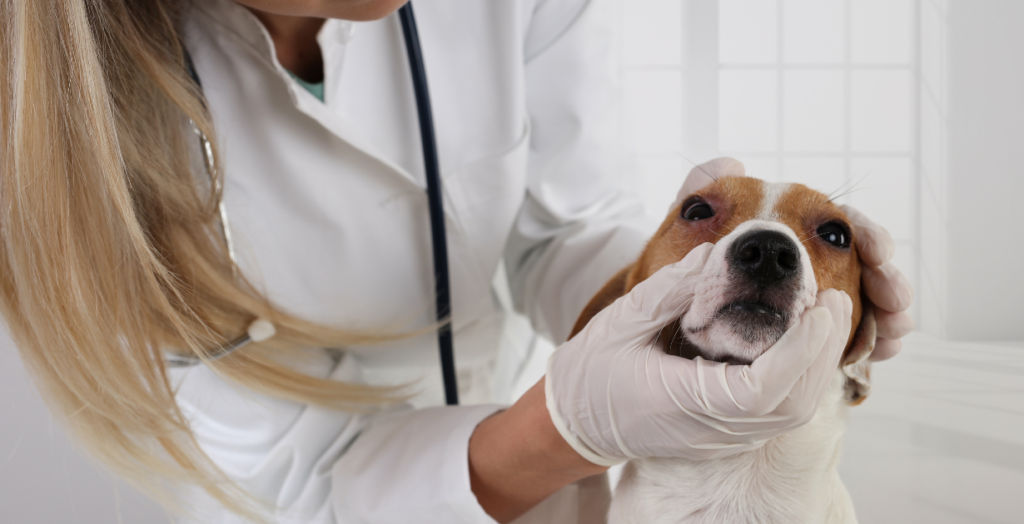
The treatment for your dog’s eye infection will depend on the cause of it. The vet will examine the eye and run tests to see what caused it to be infected—bacteria or viruses,If or something else. In case bacteria caused the infection, the vet will administer antibiotics in the form of drops or ointments. If your dog has a viral eye infection, keep the eye clean and let it heal with proper care.
Before the treatment begins, the vet will take away any irritants causing discomfort in your dog. It’s imperative for you to finish the entire course of treatment even if the eye of the dog looks fine after a few days. Otherwise, you run the risk of the infection coming back again. Clean your dog’s eye discharge gently using clean cotton and a saline solution. Don’t give your dog any medicines meant for humans unless advised by a vet.
Caring for Your Dog at Home
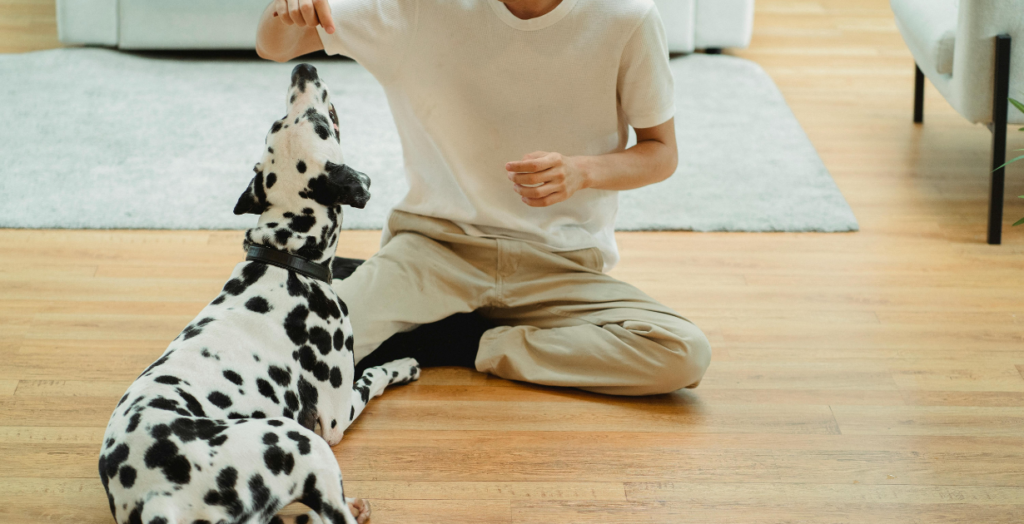
Home care is key in the treatment of any ocular infection in your pet. Make sure to wash your hands before going anywhere near your dog’s eyes. It is best to make use of sterile saline solution along with a clean pad to clear away the crusty discharge. It is also a good time to think about trimming facial hair to prevent dirt from entering the eyes. Keep your dog from rubbing its eye during recovery.
To protect the eye during the recovery process, the veterinarian will recommend an Elizabethan collar. Maintaining cleanliness in both the area around the eye and the dog’s environment by removing irritants like dust and smoke is very important, as well as offering the dog sufficient hydration and a nutritious diet. One must follow a veterinarian’s recommendations for treating the dog even if it seems to be healthy.
Keep Your Dog’s Eyes Healthy
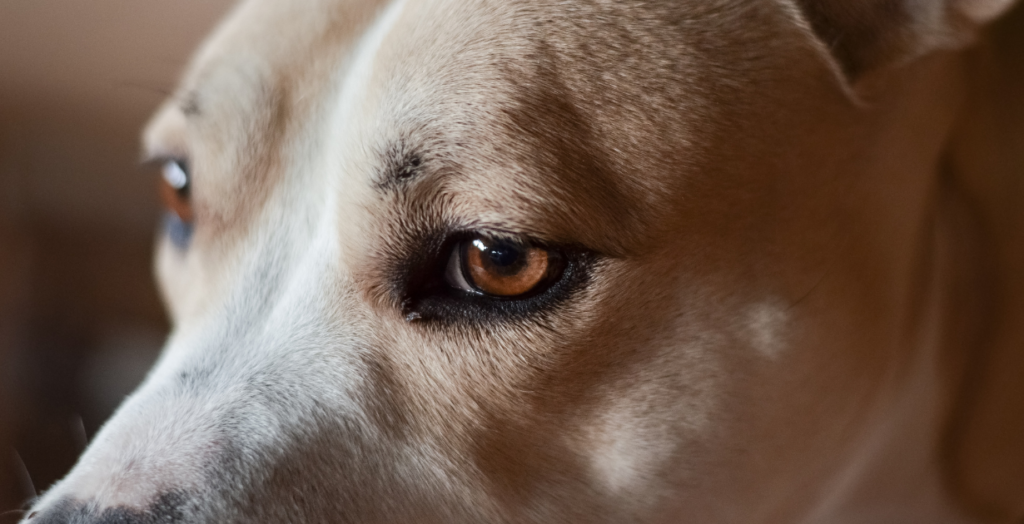
Preventing eye infections is better than treating them, telling you that periodic eye checks on your dog are needed. Check your dog’s eyes for inflammation, discharge, redness, or anything strange. Make sure to clean your dog’s face when arriving home from a walk, especially after dirty play on the ground. Regular grooming of your dog prevents hair from getting into eyes. Regular visits to the vet help with the prevention of eye diseases.
Ensure that your pet remains far away from any kind of potential chemical exposure along with cigarette smoke as well as polluted water sources because these things are likely to make their eyes more sensitive.
You should also think of consulting with your doc if your dog has had a lengthy history of eye-related problems so they can give you some helpful ideas on taking precautionary steps for these issues. This will keep them safe and prevent further complications affecting their vision.