
Introduction
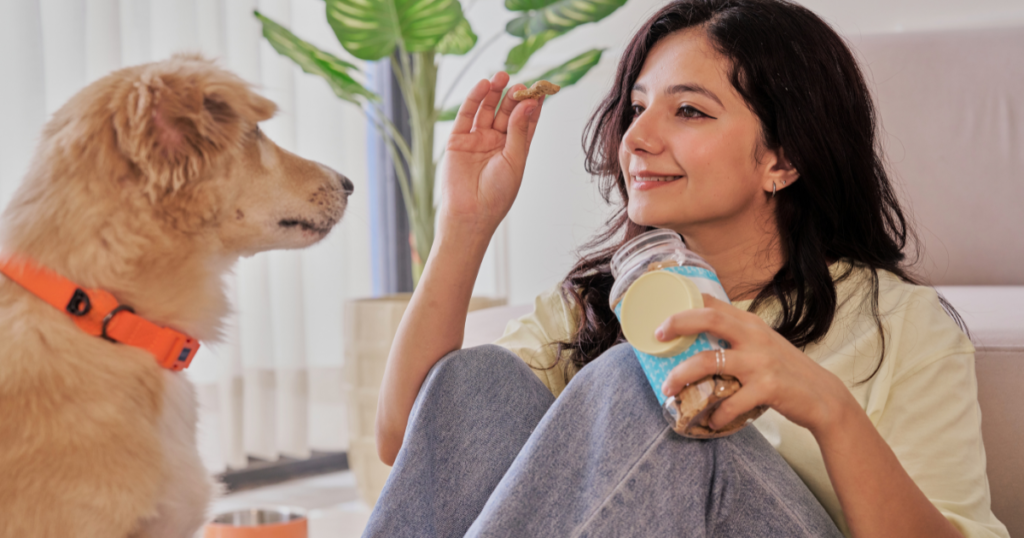
Among all the things that worry dog owners, diarrhea is one. Diarrhea can range from being a mild to a serious condition that requires veterinary attention. How to treat dog diarrhea is a question pet owners keep asking and seeking answers to. Pet owners must familiarize themselves with the causes of diarrhea in dogs and take the necessary first steps in treating the disease. From opportunistic infections to a sudden change of diet or spoiled food or allergies or minor stomach upset, it is important to be quick in addressing the problem. This guide will help in understanding how to treat dog diarrhea using a simple and effective approach that you should know
Identify the Cause Before Starting Treatment to treat dog diarrhea
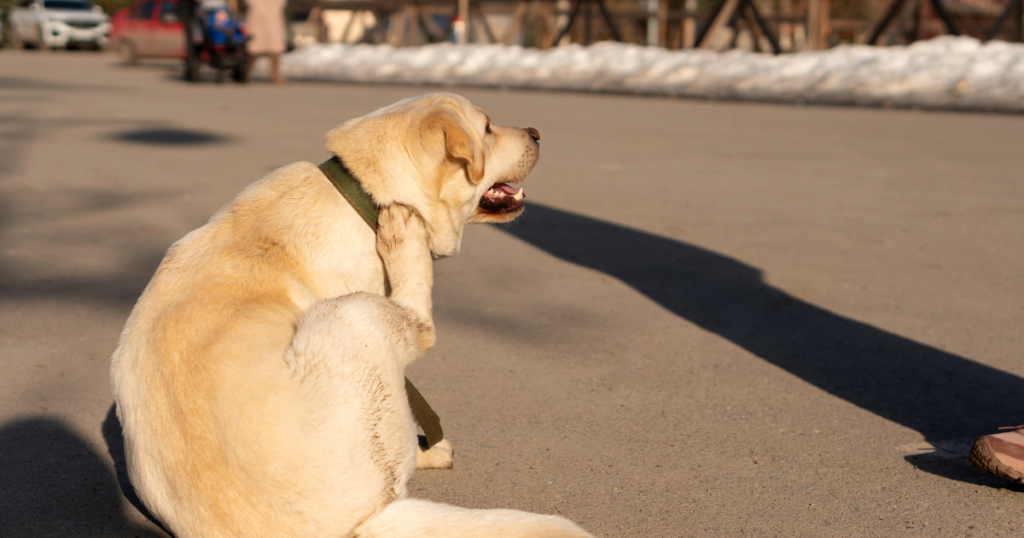
Step number one when learning how to treat dog diarrhea is to determine the cause of the disease. Dogs can get diarrhea as a result of inappropriate food intake, rapid changes in food, eating human food, or contact with various microorganisms or parasites from contaminated food or water. Viral infection and allergic food reactions are also important causes of intestinal disorder. Before telling how to treat dog diarrhea, observation of the dog’s behavior is needed. You should check whether the dog is normal and healthy or not.
Keep Your Dog Hydrated at All Times
To begin treating dog diarrhea, the possible causes need to be determined. There are many different causes of dog diarrhea, including a bad diet, a change in diet, eating scraps of food, and infection from contaminated food or water. In addition to this, food allergies or intolerances, viruses, and stress are some other causes that can lead to diarrhea in dogs. The second step in treating it is observing the dog for any other symptoms. It is necessary to assess whether the dog is behaving normally by checking its activity levels and its water consumption.
Feed a Gentle and Easy-to-Digest Diet

Using a bland diet is one of the best methods to facilitate recovery. When learning how to treat dog diarrhea, do not feed your pet any form of fattening foods, crisps, sauces, dairy meals, or spicy food. You can boil the chicken meat and mix it with plain ordinary rice or feed it alone as well. Another alternative that works well is to give your pet plain pumpkin puree that is rich in dietary fiber; the pumpkin puree helps in digestion because it contains a lot of fiber, which is good for digestion. Feeding the dog many meals throughout the day is very advisable instead of giving only one big meal.
Know When Home Care Is Not Enough

There will come a time when you will have to treat your dog for diarrhea. In such a case, it is necessary to know how to treat diarrhea in dogs in order to be successful. This means that you have to look for specific signs that require the involvement of a veterinary specialist. The worst part about the situation is that puppies, sick animals, and aged dogs can die from diarrhea without proper treatment. If diarrhea does not stop after the lapse of two days, if there is blood in the feces, and if your dog vomits, has no energy, and feels pain in the stomach, you have to see a veterinarian at once. Making the diagnosis early enables finding out whether there are any infections, parasites, or other kinds of illnesses in your animal.
Prevent Future Episodes of Dog Diarrhea
Despite some mild cases being resolved through home management, one must understand when to seek professional assistance. Knowing how to treat dog diarrhea means understanding signals requiring the intervention of a veterinary practitioner. Puppies, aged dogs, and dogs with pre-existing health issues may be more prone to suffering from serious diarrhea. Should diarrhea persist for over two consecutive days, or if the dog’s droppings contain blood, or when coupled with repeated vomiting, severe depression, decreased appetite, and constant abdominal discomfort, never take a wait-and-see approach. Seeking veterinary assistance on time may help isolate possible causes of the disease.
Conclusion

Understanding how to Treat Dog Diarrhea allows pet owners to deal with their dog’s problem much more effectively and thus see good recovery and avoid any complications. Mild cases of dog diarrhea usually can be treated at home with the help of water, simple foods, and careful observation of the animal; however, if diarrhea is severe and lasts very long, it always needs to be checked by a veterinarian. Providing good treatment to your dog at the right moment and taking good care of it will help you avoid future problems with your dog’s digestive system.