
Introduction
Establishing the habit of biting can occur early for most puppies; it seems innocent enough in the beginning, but as time passes, it becomes frustrating and sometimes painful to an owner. Puppies use their mouths when exploring the world around them (people included) and learning about their environment. A puppy may bite because he is teething, excited about someone or something new, or playing with another animal. Teaching your puppy proper behavior as early as possible is critical to the long-term success of your dog. Before being able to respond to your puppy’s biting with calmness and efficiency, you must be aware of the reasons for your puppy’s biting behavior.
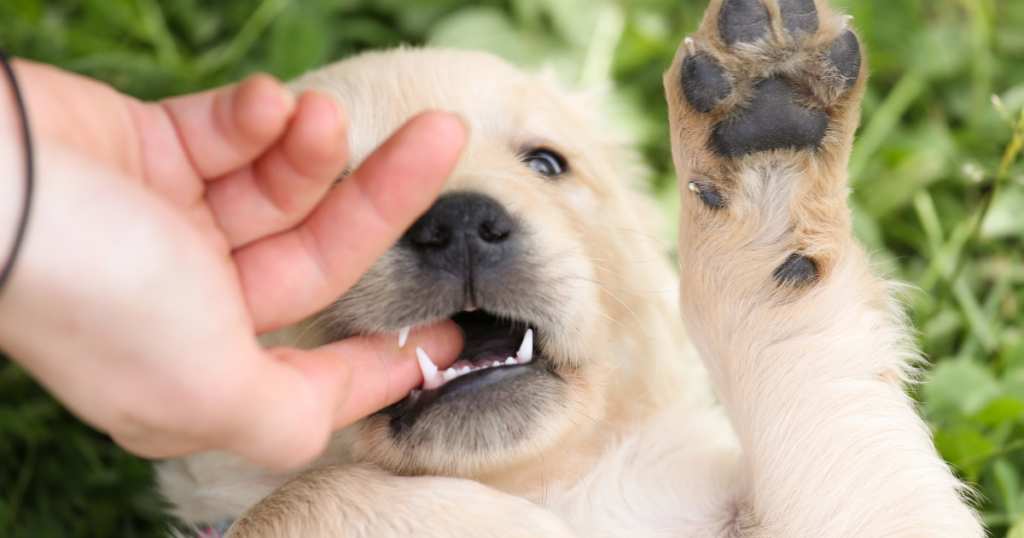
Rather than using punishment to correct biting behavior, positive reinforcement training techniques can help to teach puppies appropriate behaviors. In addition, providing appropriate chew toys and socializing your puppy appropriately will all help to reduce your puppy’s desire to bite. With patience and the right approach, puppy biting can be controlled before it develops into a serious behavioral issue. This guide explains puppy biting and shares simple tips to help your puppy become well-behaved
Why Do Puppies Bite?
To understand why a puppy is ever doing anything, including biting, it’s necessary first to look at why a puppy would bite something in the first place. One way a puppy bites is because of how much puppies tend to use their mouths to explore everything they see around them, including all of the people that are around them, so when a puppy bites, all he might actually be doing is learning how to use his mouth in his attempt to explore and understand the world that is around him. Another reason for puppy biting is teething, as puppies are growing their adult teeth and often bite to relieve discomfort.
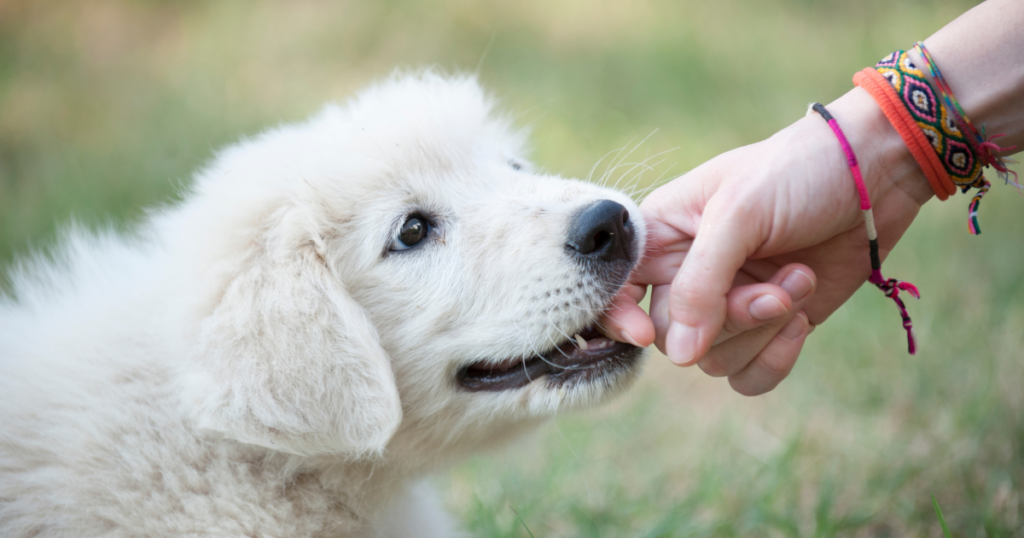
When they get new teeth, it can be painful for them, and they want to do something to help alleviate the discomfort of teething. If a puppy is biting something, it tends to provide puppies with a way of getting relief from the discomfort caused by their teething and can also be viewed by puppies as a way to play with each other and to explore the world around them through biting; therefore, this type of biting provides puppies with an opportunity to develop social skills that are necessary for developing appropriate bite inhibition.
Effective Training Techniques to Stop Puppy Biting
Training is one of the best ways to prevent dogs from biting. In addition to proper training, making sure that your puppy receives consistent training will also go a long way in helping it learn how to behave.
When your puppy bites you during playtime, you should always stop the play until the puppy learns that it is better to stop biting and not to bite during play. After you have stopped playing for several moments, you should continue playing with your dog to reinforce what you have taught the dog. If a puppy bites you, you can redirect any mouthing to the right chew toy. When your puppy begins mouthing on your hand or shirt, provide him/her with the correct toy to bite on instead. Once your puppy is biting on the toy, give him/her a verbal reward for biting on the right object and then provide him/her with an appropriate toy for chewing. Confident puppies develop strong social skills through early exposure to different people, places, and animals.
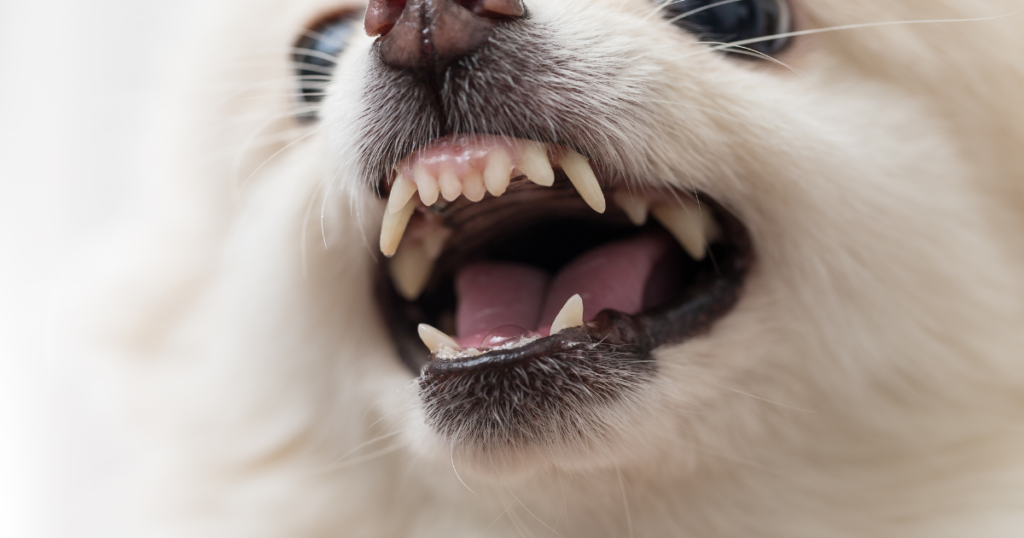
The use of training commands like “leave it” and/or “drop it” may help in decreasing the incidence of puppy biting over time. Shorter training sessions given several times each day are usually more effective than long training sessions given once a day. All family members should be using the same rules for their puppy. If everyone in the house does the same thing (i.e., responds consistently to the same behavior), puppies will learn much quicker. With time and practice, your puppy will develop better manners and will be better at learning the appropriate ways to interact with others; thus, over time, your puppy’s biting behavior may decrease
Common Mistakes That Increase Puppy Biting
Many dog owners unknowingly encourage puppy biting through their actions. For example, using your hands as toys during play teaches a puppy that biting hands is acceptable. Allowing a puppy to become overly excited during play can also increase biting incidents because the puppy may struggle to control its behavior. Another common mistake is responding to puppy biting with yelling or harsh punishment, which can create fear and confusion. Instead of teaching proper behavior, severe punishment may damage trust and make training less effective.
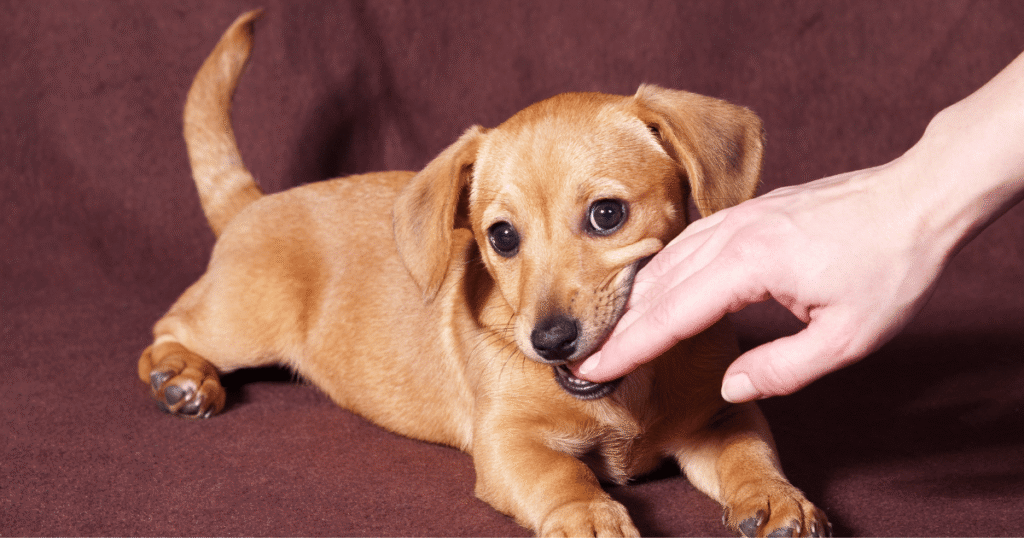
Another cause of puppy biting is inconsistent discipline. When one person allows the behavior and another does not, the puppy receives mixed signals and becomes confused.
Another issue with puppies biting is that they may have too much energy to play and run around but do not get the chance to do so because they don’t have enough exercise. Very active puppies will tend to bite and chew on (destroying) other things around them because they are bored.
Best Toys and Activities for Puppy Biting
To teach your puppy not to bite can easily be done by teaching them how to use their natural instincts appropriately. Providing quality chew toys for your puppy is an effective method to help him or her have something to chew on while keeping your furniture and hands safe from damage. Rotating your puppy’s toys can also help to decrease his or her desire to bite when bored. Exercise is another way to stop your puppy from biting. By taking a walk, playing, and doing different physical activities daily, you will be able to reduce your puppy’s excess energy that may encourage him or her to bite.
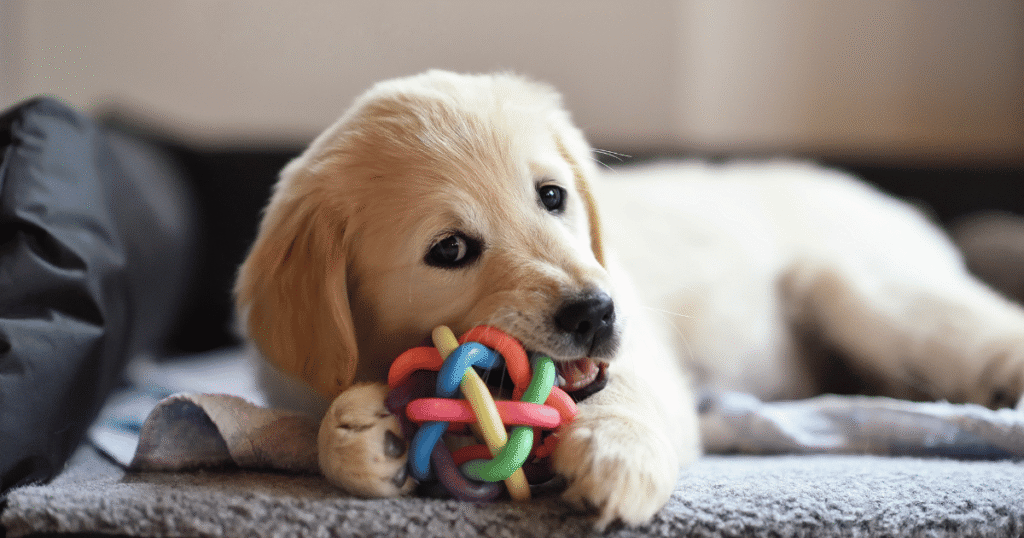
. Some great ideas for providing mental stimulation to your puppy include using puzzle toys, working on obedience training, and working on problem-solving skills. Another factor, too, is socialization. Puppies receive valuable training in acceptable play and bite inhibition when they play with other properly socialized pups. Establishing a routine schedule with your dog will continue to decrease his/her biting by providing him/her with a predictable and structured daily routine.
Long-Term Strategies to Prevent Puppy Biting
Another factor, too, is socialization. Puppies receive valuable training in acceptable play and bite inhibition when they play with other properly socialized pups. Establishing a routine schedule with your dog will continue to decrease his/her biting by providing him/her with a predictable and structured daily routine. Dogs are more confident when they know what the day will look like in advance. Add exercise, play, training and proper chew toys to your dog’s daily routine to help reduce the number of times your dog bites and to establish good behaviors that will carry into adulthood. “Puppies are more friendly and social when they meet different people, visit new places, and interact with other animals from a young age.
different locations, and other animals. During this process, puppies should be praised for remaining calm in the presence of distractions and redirected when they engage in biting the owner or another person. The rate of learning for all puppies is different; therefore, providing plenty of time for all puppies to learn self-control should be given to allow for further development of their self-control learning process over time. Ultimately, most puppies will grow up and play and interact with others without using puppy biting as a part of their play