Introduction
Many dog owners deal with the problem of loud barking by their dogs. One of the most necessary tasks you can do to be a qualified pet owner is to find out how to get your dog to stop barking loudly. Dog barking is how dogs express their needs, feelings, and reactions, and when they bark too loudly, it can create stress in the home. Correct pet care plays a big role in controlling this behavior, given that a well-cared-for dog barking is usually more peaceful and less likely to bark loudly.
When dogs don’t get enough physical activity, time, or brain activity, they often start barking out of sadness or anger. That’s why ideal pet care is a need for daily walks, regular playtime, and training. As a substitute for hurting your dog, using kind words and favorable words is more successful. By always keeping an eye on good pet care and caring about your dog’s needs, you can avoid too much dog barking and create a quiet space for both you and your pet.

WHY DOGS BARK UNDERSTANDING EXCESSIVELY
Dogs use vocalizations like dog barking to communicate; however, if your dog barks excessively, there may be a different reason for it. Before attempting to correct your dog’s excessive barking, it is important for you to understand what causes him/her to bark in the first place.
Dog barking can happen for different reasons, including boredom, anxiety, fear, territorial instincts, or even excitement. For example, a dog that is alone for long periods of time may bark as a result of being lonely, whereas another dog might bark at strangers to protect their territory.
Finding the cause of the dog barking is important for figuring out how to move toward a solution, so if a dog is barking at sounds they hear outside, their environment may be upsetting to them, whereas if the dog is barking at you leaving the house, then the cause for that dog barking may be separation anxiety. Many pups will bark in order to alert you. But with older animals, barking could indicate pain or illness, etc. Keeping an eye on your dog when it takes place is important. Keeping track of the different things that make your dog bark and where they were will help you recognize what could be possible causes of their barking. When you know why something happens, you can fix it rather than only trying to stop barking. Addressing the underlying problem (rather than the observable behavior) will best help achieve long-term reductions in barking
Training Your Dog with basic Commands
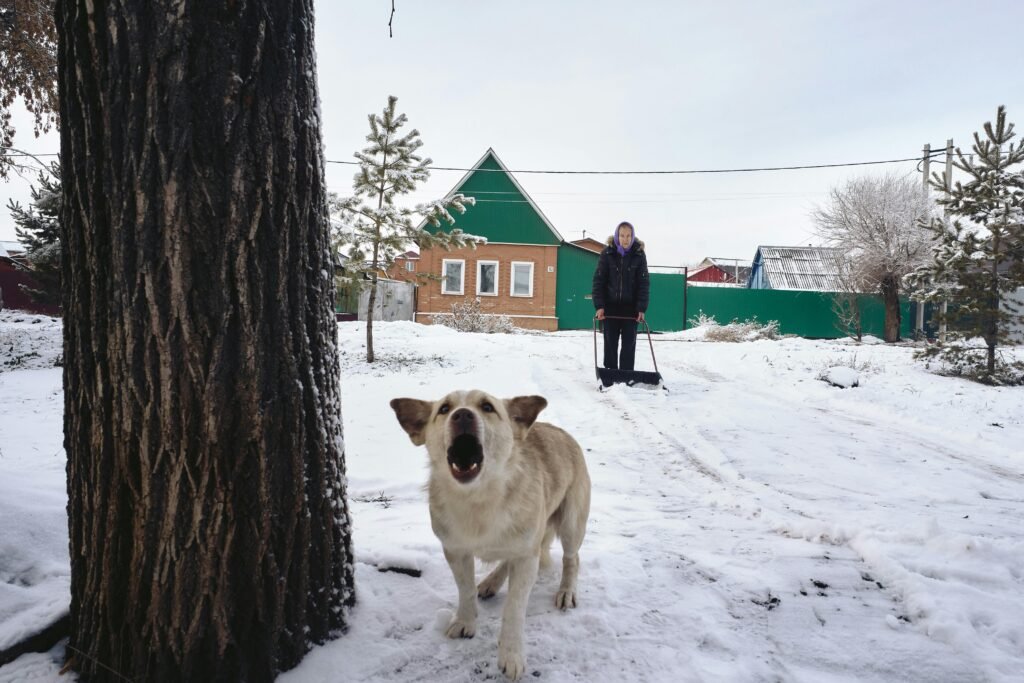
Barking may become overwhelming for you and your neighbors if your dog has developed an excessive barking habit. It is important to teach your dog a command such as “quiet” or “enough” to signal to him when he can stop barking. For example, you may want to let your dog bark a few times, then say the command in a calming but firm manner (not yelling). When he stops barking, reward him immediately with either a treat or praise. Consistency is essential. Consistent repetition of this pattern will enable your dog to learn the command as a method for stopping an action. It is preferable to have many short, regularly scheduled training sessions rather than fewer long, irregular training sessions. Practice using many different environments regularly and daily so your dog learns how to react in different situations. With enough patience and consistency from you, your dog will eventually be able to control himself and follow your commands.

Reducing Boredom and Providing Mental Stimulation
Barking is often an outcome of boredom, a major source of excessive barking in dogs. Dogs enjoy being active animals, so they will take part in activities that keep their minds occupied; if they do not engage in some type of activity, they will bark as a means of expressing energy or getting attention.
Ensure your dog gets enough daily exercise, such as walks, playtime, or interactive games. Activities like fetch, tug-of-war, or athletic exercises can help burn off excess energy. A tired dog is normally a quiet dog. and toys with a treat. You Can Also Change Toys and Keep Their Interest in New Items. Basic Training Sessions, Introducing New Tricks, and Standard Scent Games Will Help Your Dog. Mental tasks help avoid being tired and dog barking. Due to Inactivity. When you spend good time with your dog, it creates a strong bond and reduces their desire to seek care. Simple things with them, like cleaning them or having fun with them at home, can be a good thing. If your pet is mentally and physically happy, they are less likely to bark for no motive at all.

Problems with Environment Triggers
Dogs will bark when they see a situation that upsets them, such as a different dog, a loud sound, or when a strange-looking human being walks by. A proper control system of these alarms will help management to enforce dog bark ordinances.
First, find the trigger. Example: If your dog is barking out the open door at every person who walks by, close the window curtain or try to control your dog’s motion to that area. If you would like to be able to see out of the open area while maintaining your dog’s view, check into some type of window covering film that has a standard texture or shade that will block views while still allowing in some natural light. Being tired and the dog barking due to inactivity. When you spend good time with your dog, it creates a strong bond and reduces their desire to seek care. Simple things with them, like cleaning them or having fun with them at the house, can be a good thing. If your pet is mentally
How to reduce dog bark behavior?
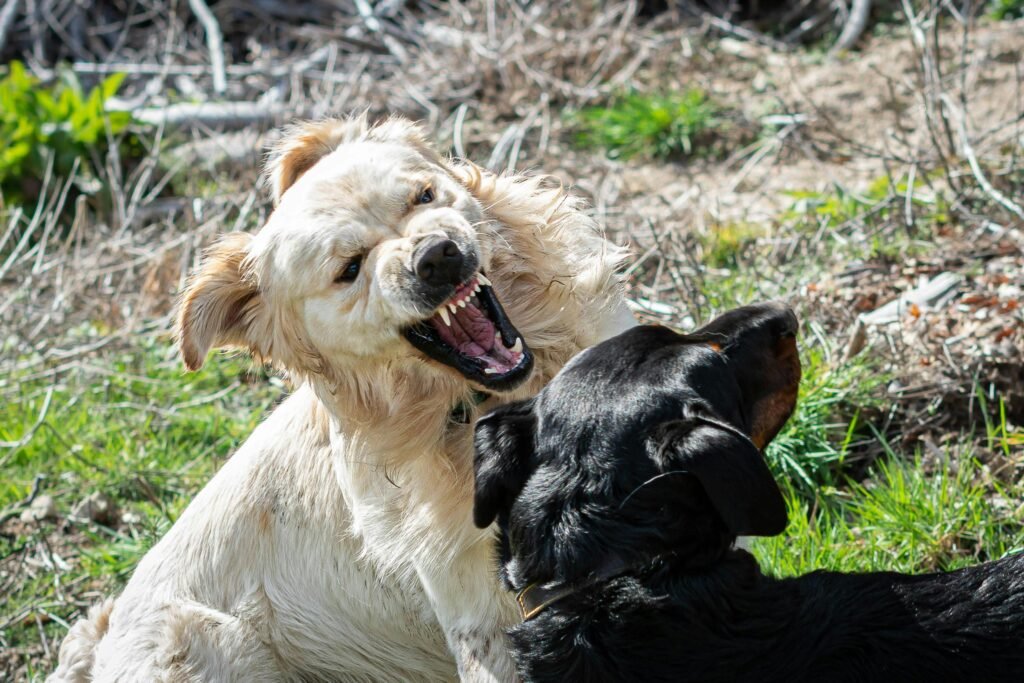
Some dog people will induce their pets to bark by mistake by giving them time, offering them food, and even controlling them when they do so. While disciplining your pet may seem like a punishment at first, your pet could very well view it as a form of good discipline.
An animal is likely to carry out actions that elicit a reaction from another animal or human. If you want to break the cycle of reacting to your dog barking, don’t respond when he/she is barking for nothing—avoid looking at or touching your dog while he/she is barking; no talking, just give it all time until there is complete silence for a few seconds, and reward the dog when he/she is quiet. This shows the dog barking that he/she will receive attention for being silent, not for dog barking.
Consistency is critical. All family members should follow the same manner to avoid misunderstanding the dog barking. Mixed signals can slow down training progress. “Avoid shock collars, as they can increase fear, anxiety, and dog barking.” Focus on positive reinforcement and patience instead. By removing rewards for dog barking and reinforcing quiet behavior, you can gradually change your Dog’s