
Introduction
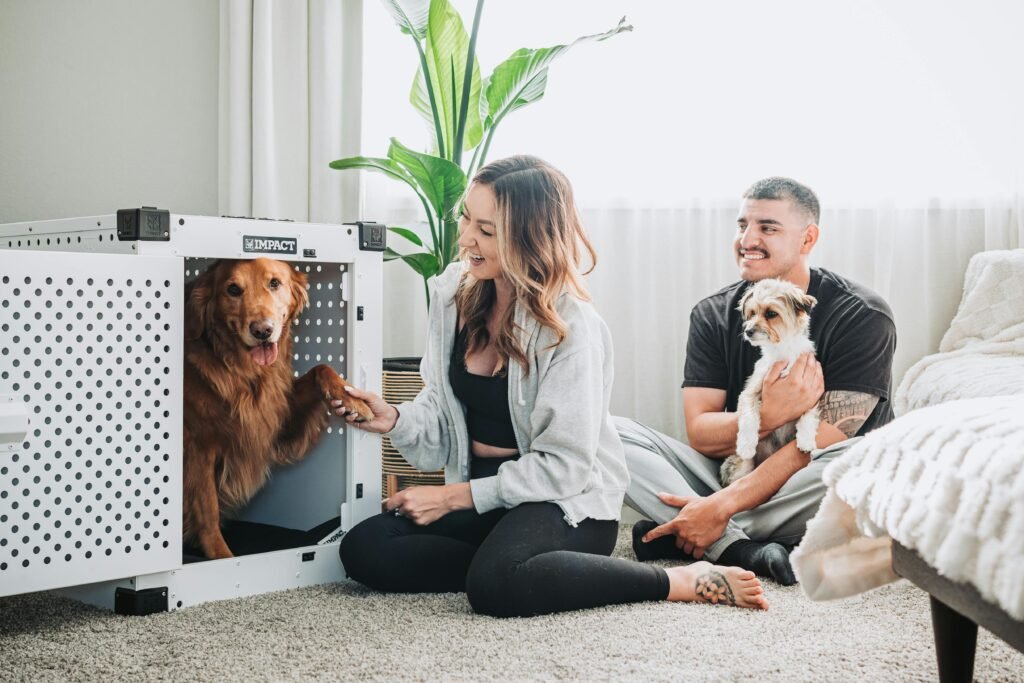
Crate training for a puppy is an important part of proper pet care. It helps make certain that your new dog feels safe, at ease, and happy at home. When done properly, a crate can provide a safe and comfortable space. Your puppy can relax, sleep, and develop good health routines there. Many pet people avoid crate therapy because they feel that it is unsafe. In the real world, however, it respects a puppy’s basic need to seek a quiet and cozy place to sleep.
High-quality pet care needs protocol, exactness, consistency, and respect. All of these are required during instruction and when you crate train a puppy. Dog crate training a puppy at an early stage will ease household chores and curb negative behavior. The use of a crate gives pets a space to relax and helps lessen anxiety levels.
The crate learning process is also an important part of developing a schedule. Learning how to crate train a puppy requires patience and consistency. Pet owners who crate train a puppy correctly often see better behavior and a stronger daily routine.
Choose the Proper Crate for Your Puppy
The next step in proper dog training and being a good pet owner is purchasing a good-quality dog crate. The chosen crate should contain everything suitable for the size and safety of your puppy. You will want the crate to be large enough in order for your puppy to be able to stand up in it, turn around, and lie down, but not so big that they can only use it as a toilet for one area and use the other as their bed. With too much room in a crate, it can slow down your ability to train the puppy on a regular routine. Many experts in pet care will advise you to use adjustable crates that you can adjust as your dog grows.
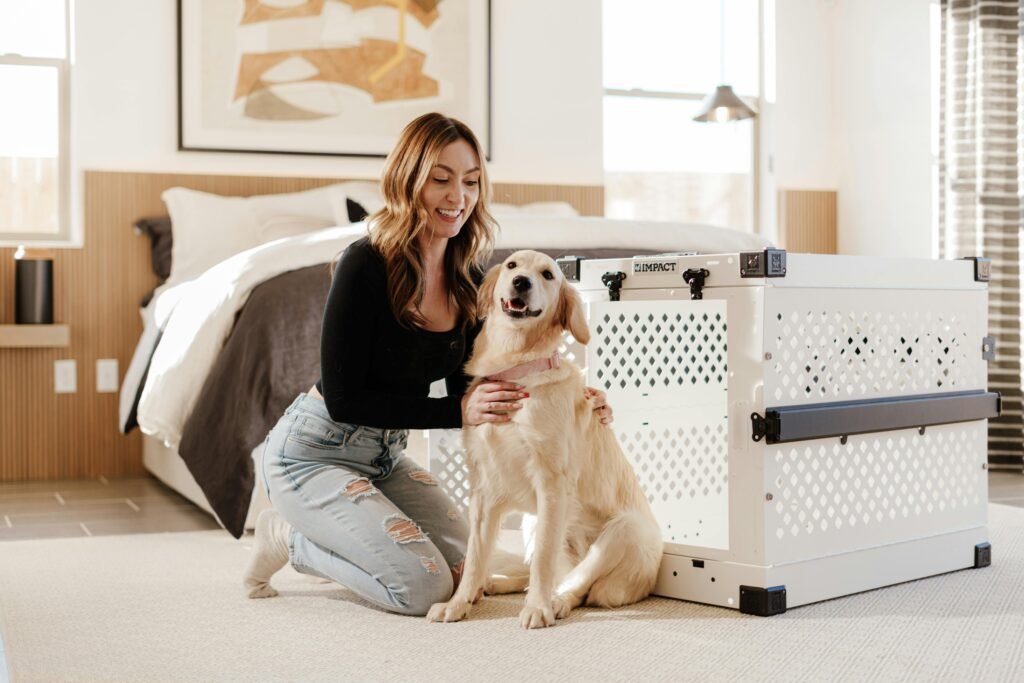
There are several types of crates available, such as wire, plastic, and soft-sided crates. Wire crates offer good airflow and a good view, while plastic crates feel more secure and den-like.
Introducing Your Puppy to the Crate
slowly and in a positive manner, as an important aspect of proper pet care when you crate train a puppy. Having to force your puppy into the crate will only build up its fear of being confined or staying in any way away from open areas. Enable your puppy to locate the crate by themselves and be rewarded with treats, toys, or food inside the crate, and give it some time to play inside without you being close or lock the doors.
You can start by placing the food near the crate or inside it. This will help your puppy connect the crate with something that is positive, as you are a puppy. In pet care, speaking with a calm and soft voice helps create trust and confidence
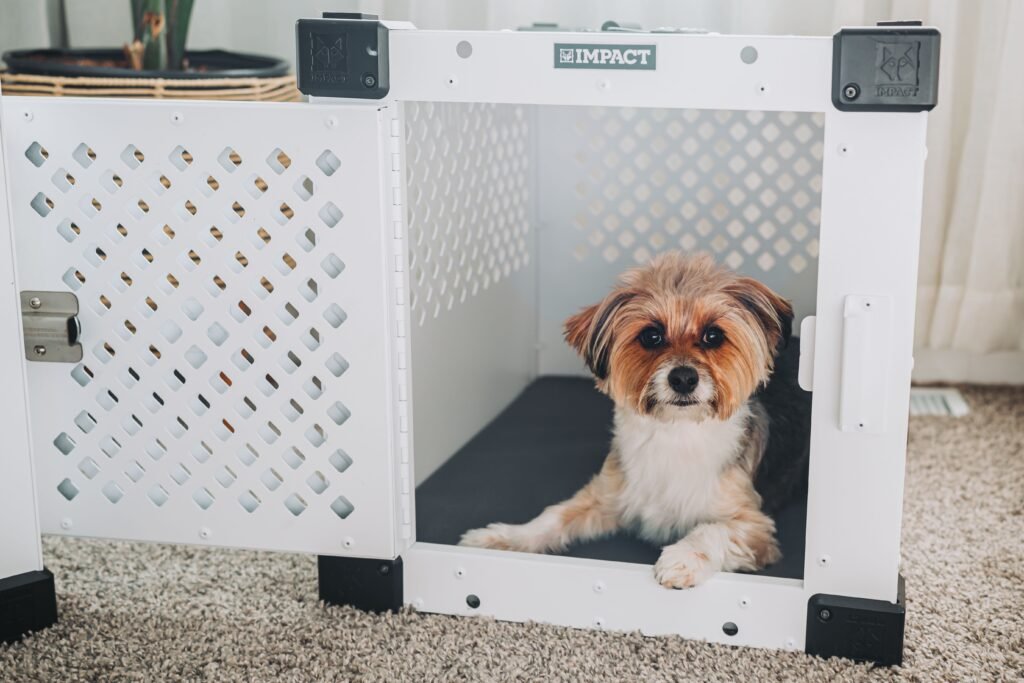
A few puppies may take more time to adjust, so patience is very important when you crate train a puppy.
When your pup always uses the crate, you can start to close the door for short periods of time (while you are nearby). Slowly, he will increase the time he is in his crate. Regularly reward him for behaving well with a treat or simple praise. Positive training is a necessary factor in successfully training pets and will help your puppy get used to his crate as a safe and peaceful area to be when you crate train a puppy.
Develop crate training. Daily routine
A proper routine is necessary for proper crate training and complete pet care when you crate train a puppy. Puppies make progress quicker when they follow a routine schedule. Set particular times for food, play, bathing breaks, and crate time. This helps your puppy learn what to prepare for and decreases feelings of unease as you crate train a puppy.
You can start by placing your meals near the crate or on top of it.
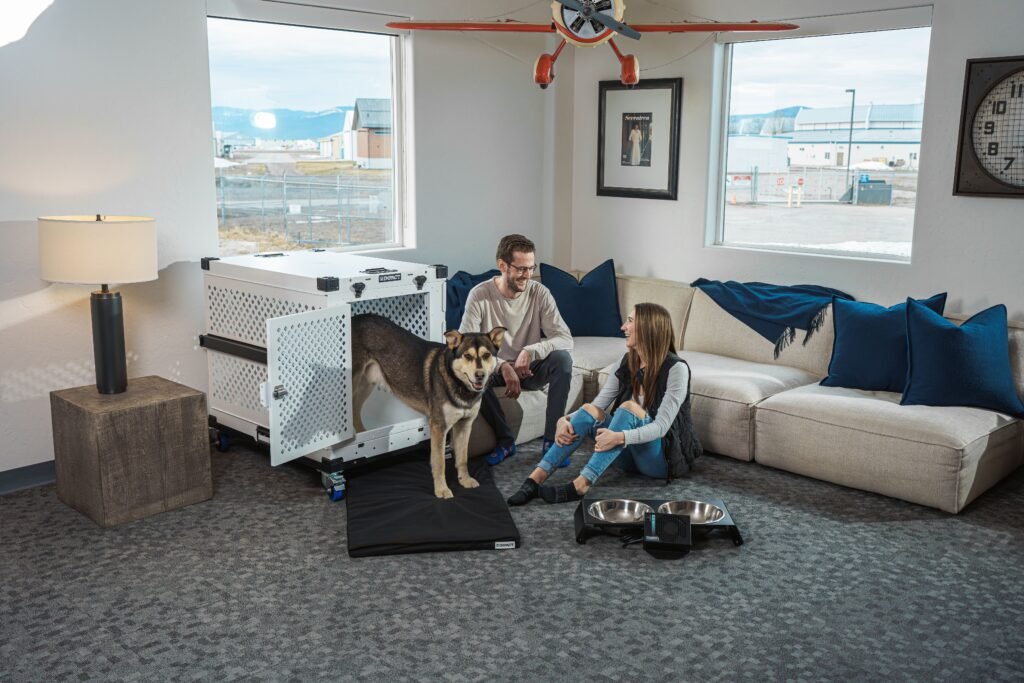
In pet care, adopting a quiet and soft voice helps create trust and a belief system. Some puppies may take a bit of a delay to be fully made up, so being patient is very important when you crate train a puppy.
Regularity is the key. Try to use the crate at the same regular time every single day so your puppy creates a habit. . Do not use the crate as a punishment, as this can cause poor emotions. However, make it a positive and relaxing space.
Controlling Crying and Anxiety
Mood swings and anxiety are common during crate training, specifically in the starting moment when you crate train a puppy. Knowledge about this normal behavior is an important factor in pet care. Puppies may cry just because they feel disconnected, nervous, or are not used to feeling alone. But taking care of the situation incorrectly can make the issue get worse when you crate train a puppy.

In pet care, it is paramount to make sure that your puppy’s basic requirements are fulfilled just prior to the start of their crate time, such as feeding, drinking water, playtime, and bathing time when you crate train a puppy.
You can render the crates more comfortable by putting in a soft blanket or a stuffed toy. Placing the crib nearby your usual sleeping area at night can also minimize anxiety. Avoid shouting at or disciplining your puppy, as this can generate abnormal stress when you crate train a puppy. However, stay calm and patient. Over time, your puppy will feel safer.
How to Crate Train a Puppy — Properly Manage Anxiety Proper management of anxiety sets your puppy up to trust the crate, which is essential to proper pet care.
Using Positive Reinforcement Technique
Using positive rewards is one of the most beneficial methods in crate training and pet care when you crate train a puppy. This means rewarding your puppy for good behavior instead of punishment for bad behavior. When your puppy walks into the crate freely or stays calm inside, give treats, hugs, or toys as a form of reward.
This helps your puppy connect the crate with positive experiences.
In pet care, rewards should be given promptly so the puppy can understand what kind of behavior is being accepted and encouraged. Avoid trying to force your puppy into the crate, as this can result in fear and resistance when you crate train a puppy.
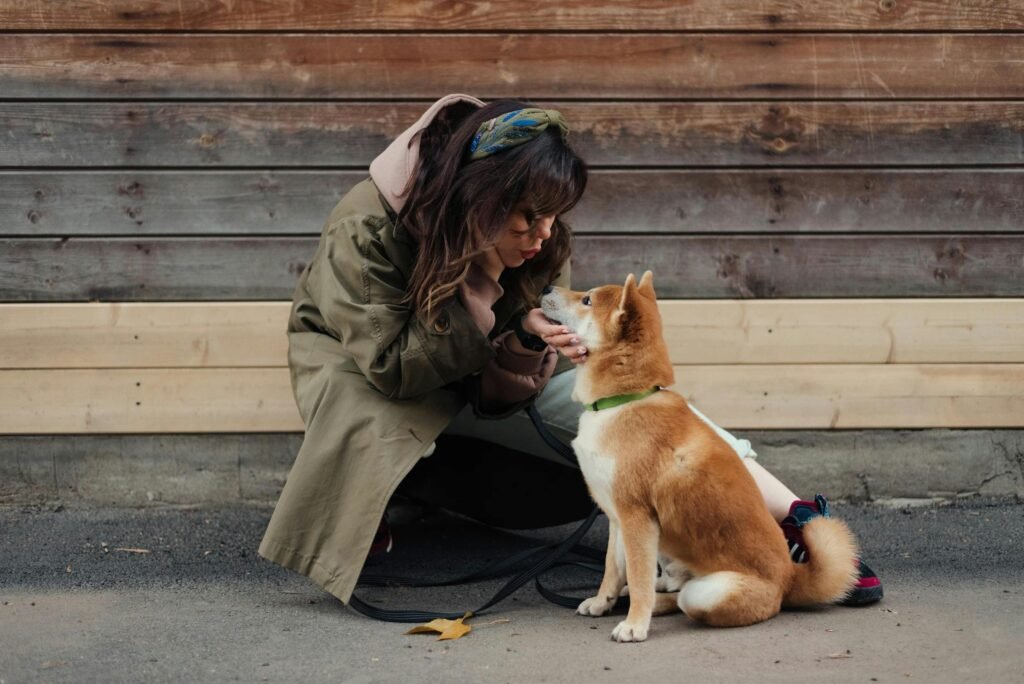
You can also use simple commands like “crate” or “bed” to guide your puppy. With proper training and practice, your puppy will learn to understand these commands.
Consistency is very important in pet care, so always try to use the same words and behaviors when you crate train a puppy.
Positive reinforcement promotes trust and improves the bond between you and your puppy. It also makes training simpler and more enjoyable.
Benefits of Crate Training for Puppies
One important feature is that it helps with house training as well. Puppies usually avoid getting into their sleep area.
It also avoids negative behavior. Puppies often chew on normal furniture or common household items when left alone. A crate keeps them safe and helps protect your home.
In pet care, security is forever a top priority, so the crate is helping them to discipline their bladder muscles when you crate train a puppy.
An additional benefit is that the crate gives you a secure place for your puppy. It gives them a space to take it easy and feel safe when they are sick or anxious.
Crate-training puppies are also easier to travel with and respond more quickly to new surroundings when you crate train a puppy.
In most cases, confined space training enhances control, safety, and the level of relaxation. It helps your puppy mature into a mannered and self-assured dog.