
introduction
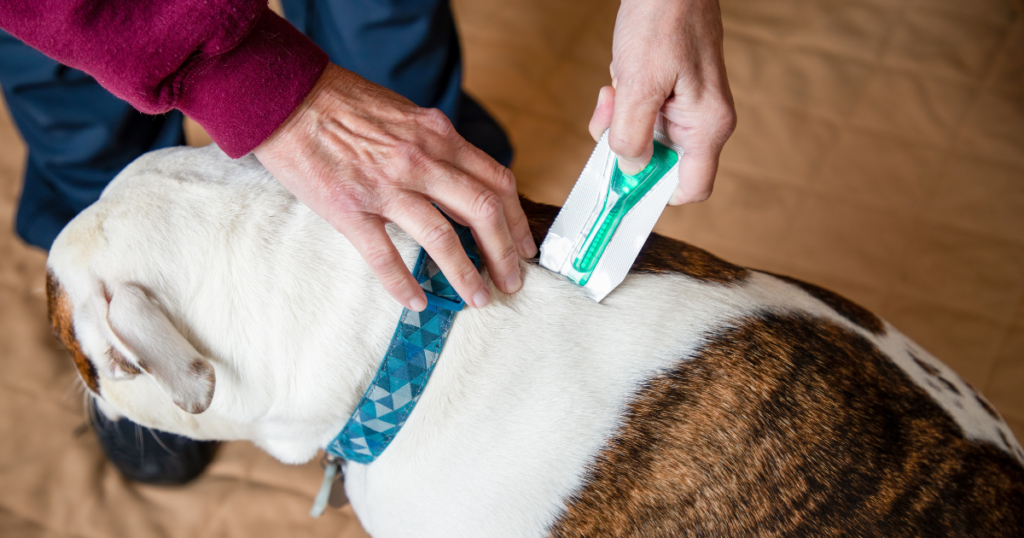
Preventing your dog from becoming infested with fleas is one of the biggest responsibilities pet owners have. Flea control methods keep your furry friend from not only itching and suffering from skin allergies but also from serious illnesses resulting from flea bites. Once fleas get into your home, it may be hard to get rid of them, but knowing which flea control method works best can make all the difference. From topical treatments to oral medications, flea shampoos, and organic treatments, it is crucial to know what kind of flea control method is best for your pet. In this guide, you will find the best option available, understand how it works, and know how to avoid any future flea problems. Knowing about the proper flea treatment will help you save some time, money, and stress while keeping your dog healthy and happy.
Why Flea Treatment Is Important for Dogs

This guide explains the different flea treatments, how they work, and how they help prevent fleas. Choosing the right flea treatment can save you time and money and help keep your pet free from fleas.. The right flea control methods consist of regular grooming, cleaning of the place, and using trustworthy products advised by animal doctors. By using various flea control products, you can stop new fleas from appearing and protect your pet for weeks or months at a time. If you treat your dog regularly with antiparasitic agents, you will protect your home and property from infestation as well. With the help of preventive treatment combined with regular grooming, you can make sure that your dog stays healthy and comfortable and free of parasites during many seasons.
Different Types of Flea Treatment for Dogs
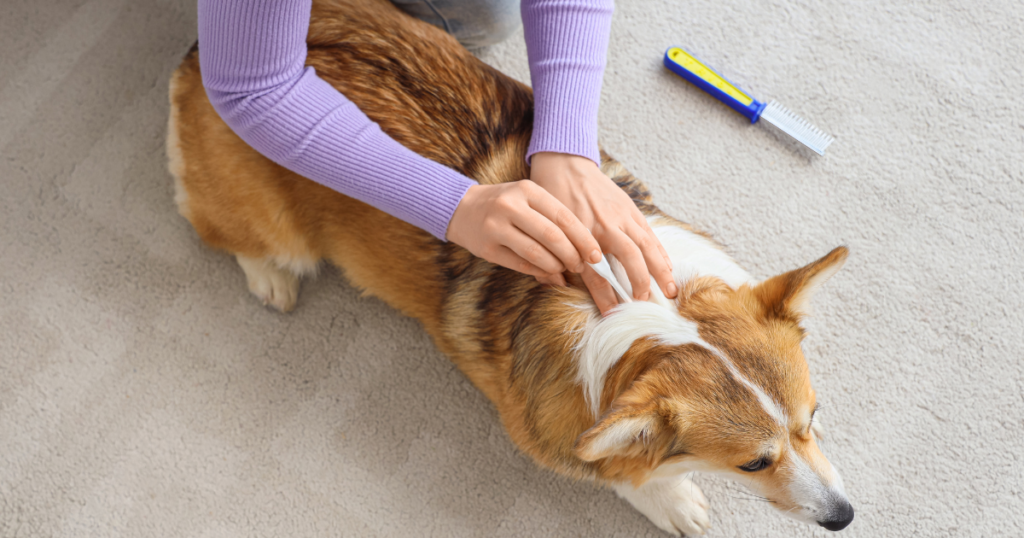
Pet owners can find different varieties of flea treatment options available. These skin treatments help protect your pet from fleas and usually last for one month. Oral tablets, another popular option for flea treatment, kill fleas internally once they bite. Flea collars can effectively protect dogs for more than a few months and are very convenient for busy dog owners. Flea shampoos provide instant relief by killing fleas during the bath but may not be as protective as other options. Powders and sprays designed for controlling fleas play an integral part in treating flea infestations. Some pet owners may opt for natural or homeopathic flea treatment, such as essential oils. Always ask your vet before using flea products, as not all are safe for dogs. The best flea treatment depends on your dog’s age, health, breed, and flea exposure
How to Choose the Best Flea Treatment

The selection of flea treatment for your dog should reflect their individual characteristics. Puppies, senior dogs, dogs in various stages of reproduction, and dogs struggling with health problems will need treatments suitable for their age and health condition. It’s important to read all labels and dosage instructions carefully prior to starting any flea treatment. For dogs that spend a lot of time outside, long-lasting flea protection works best. Fleas remain active all the time during warm periods. Moreover, in the event of a flea problem, ensuring the treatment of every animal in the house is mandatory. Other actions that will increase the effectiveness of flea treatment products include washing pets’ bedding, vacuuming carpets, and cleaning furniture. If the pet continues to itch or develops skin problems after flea treatment, consulting a vet should be necessary.
Tips to Prevent Fleas and Keep Your Dog Healthy
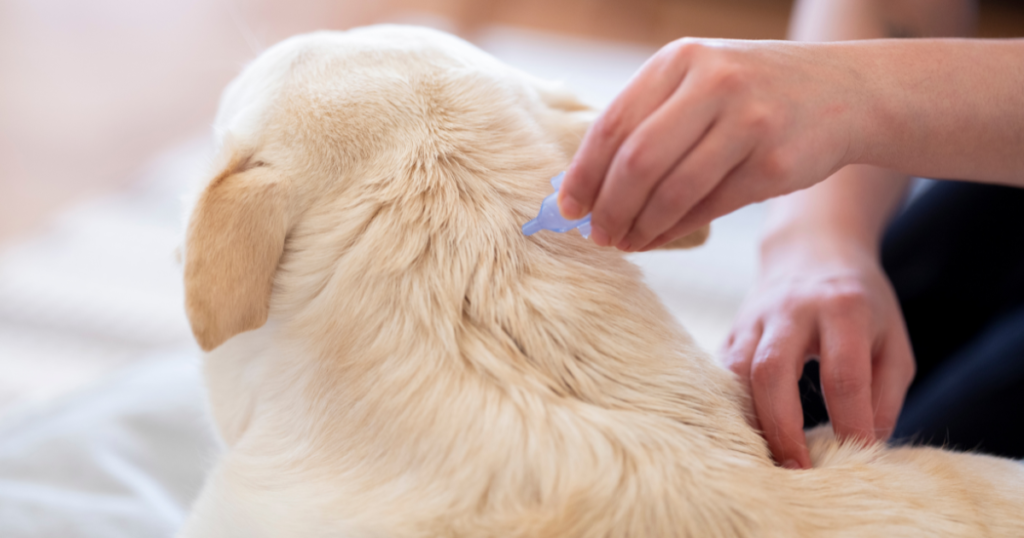
When it comes to flea infestations, prevention is very important. Using effective flea treatment recommended by veterinary doctors on a monthly basis can kill the fleas before they can do any harm. Other effective measures include bathing the dog using suitable shampoo and keeping the bedding and carpets clean. You should start the flea treatment regardless of whether you see any signs of flea presence since it is crucial for flea infestation prevention. Regular veterinary visits will allow you to provide the dog with necessary treatments depending on its age, general health, and local incidence of fleas. Correct grooming, cleaning up the home, observing cleanliness in the yard, and continuous treatment will enable the owner to free the dog from itching and health disorders throughout the year.
Conclusion: Keep Your Dog Protected with the Right Flea Treatment
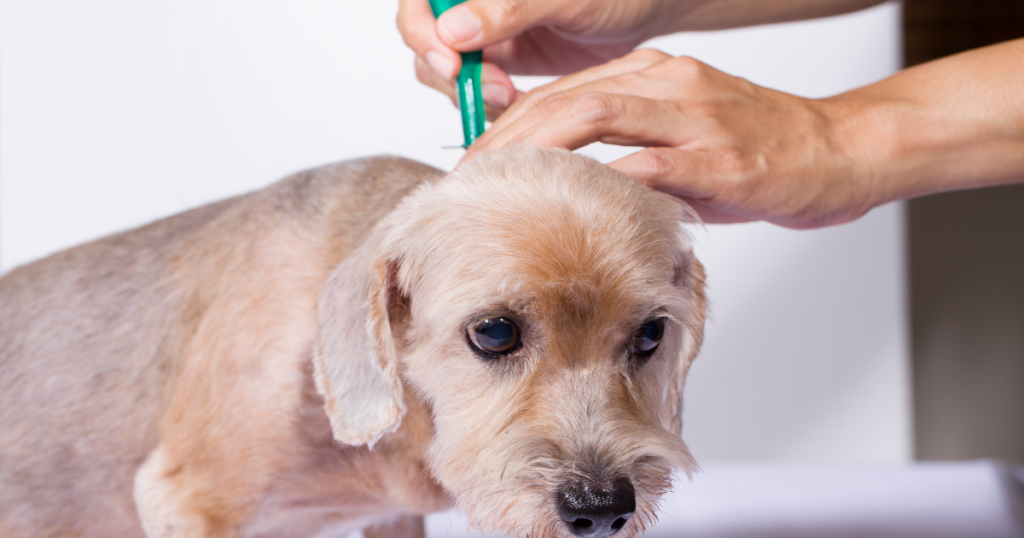
When you are considering flea treatment for your pooch, it is essential to decide which flea treatment suits your dog’s needs best. Fleas are responsible for a variety of problems in dogs, including skin issues, infections, and allergies. A proper and suitable treatment for fleas, such as flea control products or even prescription treatments, will ensure that the body of the dog is free of fleas. It is also important to take other measures, such as cleaning the dog bed and grooming, and vacuum cleaning of your home and yard. It is important that you consult your veterinarian before using a flea treatment for your dog because different dogs respond differently to various treatments. Preventive measures should go hand in hand with routine cleaning in order to ensure that your dog does not encounter any flea problems during his lifetime.