
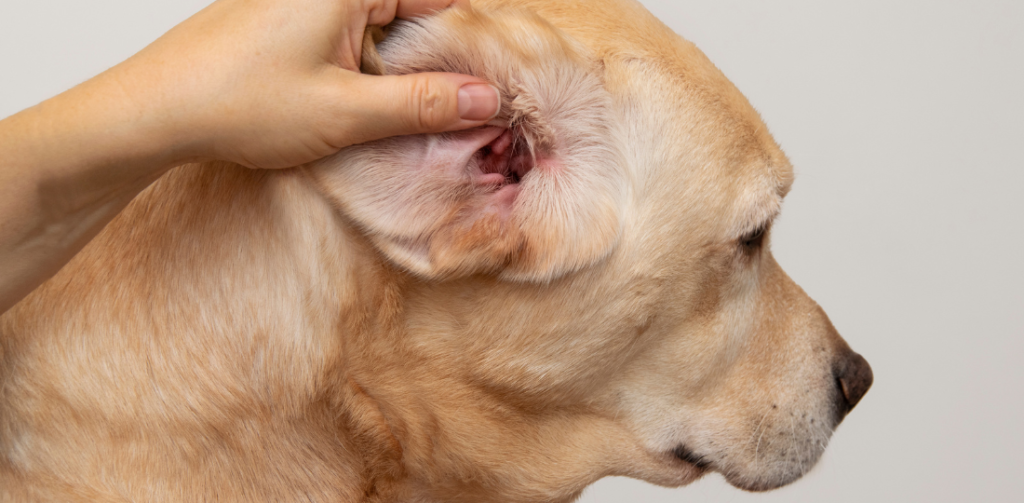
Introduction to Dog Ear Infection
All dogs, regardless of breed or age, can develop ear infections. An ear infection can affect one or both of your dog’s ears. Some of the symptoms of an ear infection in a dog are itching, discomfort, pain, and other symptoms. The first signs of an ear infection are usually scratching the ears, shaking the head, or rubbing the ears against furniture or other surfaces. If you do not treat the infection early enough, then it can result in permanent damage to your dog’s hearing. Therefore, it is imperative that you understand the causes of your dog’s ear infections, the symptoms of an ear infection, the symptoms of this issue in dogs, and how to manage it. If you have a puppy, you may have noticed that its ears are floppy. Those floppy ears may also have some propensities towards environmental exposure, including the possibility of developing allergies to specific elements. Floppy ears increase your puppy’s risk of ear problems. Regular ear cleaning, routine vet checkups, and monitoring your dog’s behavior can help keep the ears healthy.
Common Causes of Dog Ear Infection
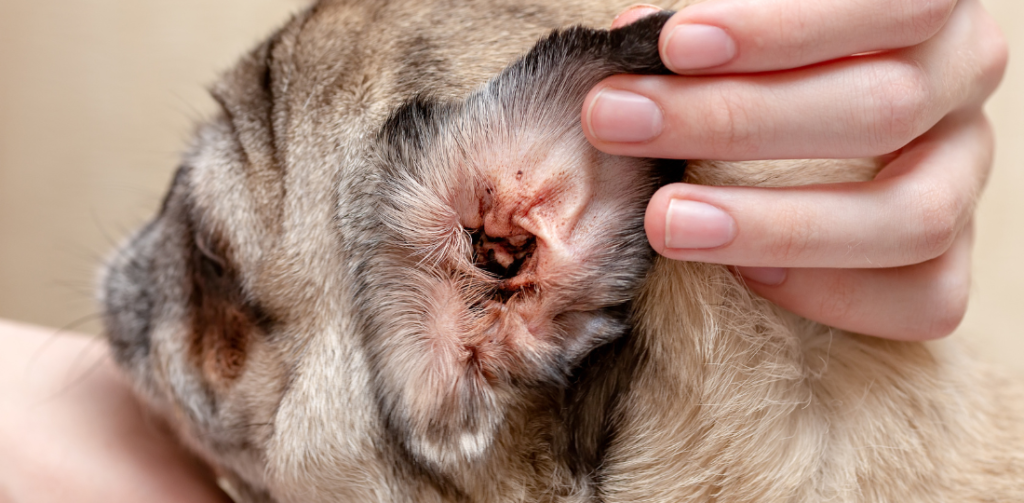
The most common cause of ear infections is the growth of yeast or bacteria in the ear due to moisture trapped in the ear canal from water-related activities (swimming) or the environment. Besides trapped moisture, environmental and food allergies can also cause ear infections by making the ear canal swollen and irritated. Ear mites may help create an environment for the development of an ear infection (especially in puppies and animals who have close contact with other animals). Many things can increase the risk of ear problems in dogs, including too much earwax, ear injuries, grass or dirt in the ears, hormone changes, and the growth of yeast or bacteria. Poor ear cleaning and floppy ears can also make these problems more likely.
Other Risk Factors
Many things can increase the risk of ear problems in dogs, including too much earwax, ear injuries, grass or dirt in the ears, hormone changes, and the growth of yeast or bacteria. Poor ear cleaning and floppy ears can also make these problems more likely.
Symptoms and Diagnosis of Dog Ear Infection

Early identification of the symptoms before they become severe will prevent any complications arising from them. The first symptom to check out for is the constant shaking of the head and scratching of the area surrounding the ear. Other symptoms that one may notice are the rubbing of the ear on the ground or anything else. A bad smell coming from your dog’s ear can be a sign of an ear infection. Some of the symptoms include redness, swelling, discharge, and earwax, among others. If the problem spreads deeper into the ear, your dog may cry, lose balance, or show changes in behavior. In severe cases, hearing loss may occur. A veterinarian will examine the ear with an otoscope and may test the ear discharge for bacteria, yeast, or mites to provide the right treatment.
Treatment and Home Care for Dog Ear Infection
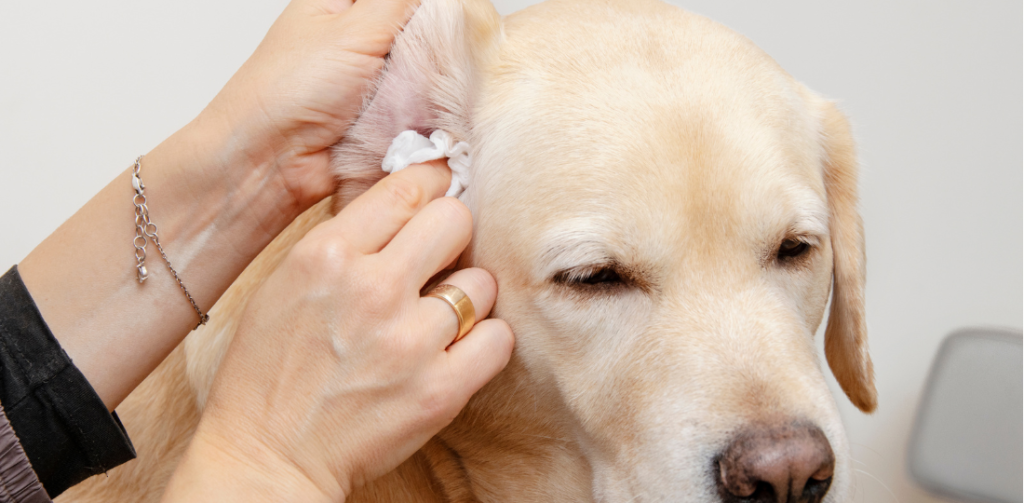
If the infection penetrates further into the ear, there is a possibility that the dog will experience crying, behavioral issues, or a lack of balance. Rarely, hearing impairments may develop with extreme cases of infection. A veterinarian typically uses an otoscope to inspect the ear and will likely perform a culture of the ear discharge to see if there are bacteria, yeast, or mites involved so that he can give the appropriate treatment. Watch for signs such as redness, discharge, or frequent head shaking. Early treatment helps prevent serious health problems. After swimming or bathing, dry your dog’s ears thoroughly and avoid using cotton swabs in the ear canal. Follow up with your veterinarian to ensure full recovery. Regular ear cleaning and vet-approved ear drops help keep your dog’s ears healthy.
.
Prevention Tips for Healthy Dog Ears

It is always easier to deal with preventively than it is to manage an existing condition; therefore, it is best to undertake to ensure that you do not create any potential issues for your dog’s ear by confirming whether or not he/she has an infection (by inspecting your dog’s ear for symptoms such as an excess of wax, odor, redness & swelling) and by providing your dog with regular cleanings (with a veterinarian-approved ear cleaning solution) in order to promote good ear hygiene for your dog’s ears and make sure there is no excess wax buildup. After swimming or bathing, gently dry your dog’s ears with a towel or cotton balls to help prevent ear infections. Finally, providing your dog with nutritious food will help to reduce the likelihood of developing an ear infection in the future, as well as help to manage any food allergy that your dog may have. Routine veterinary checkups can find ear issues before they become a major problem. Do not allow your dog to swim in dirty water or let hair get too long inside the ear canal.