
Introduction
Knowing about pregnancy symptoms in dogs is beneficial in understanding the changes in a dog’s body and behavior. Usually, pregnancy in a dog lasts about 58 – 68 days, although the duration can differ among dogs. Dogs can experience several physical and behavioral changes during the pregnancy stage, depending on the development of puppies inside the female dog’s body. There are pregnancy signs that can start appearing in the initial days of pregnancy.
whereas there are also some symptoms that can develop later. Pregnancy symptoms can consist of hunger pangs, feeling sleepy, breast tenderness, and gaining weight, although these symptoms can appear due to some other health problems as well. To be able to track the dog’s behavior and check whether medical intervention is needed, it is important to know the common signs of pregnancy in dogs. If there is a suspicion that the dog is pregnant, the veterinarian can carry out many tests and procedures to prove if the suspicion is correct.
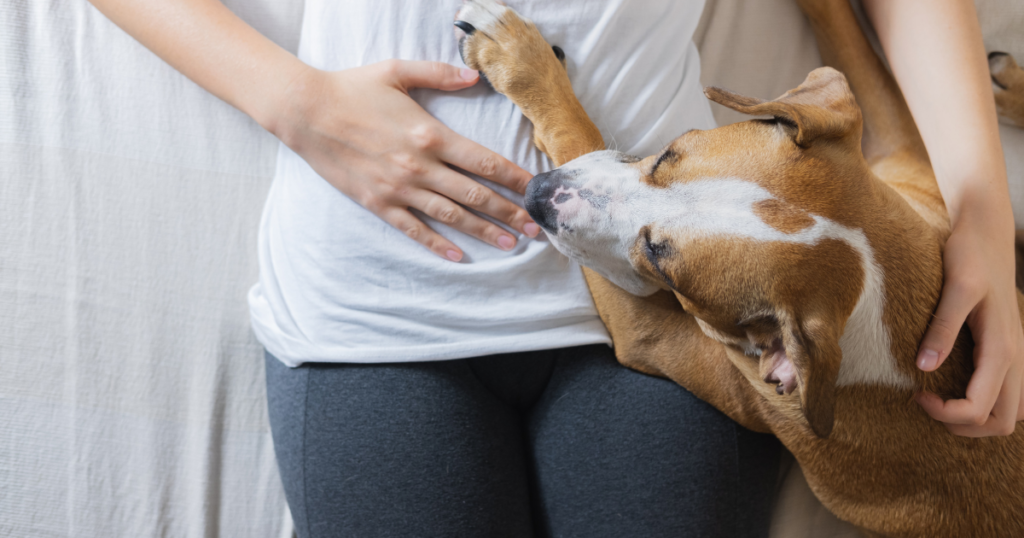
Early Pregnancy Symptoms in Dogs
Signs of pregnancy in a female dog can be hard to identify, especially at the early stages of pregnancy. The pregnant dog may feel sleepier than usual during this time. A change is also likely in the appetite of certain dogs as well. For example, some dogs might eat less than usual, while others might have an increased appetite. Some dogs may also vomit or feel nauseated. The zona areolaris may also undergo alterations. The candidate may exhibit enlargement of the glandular tissue, the appearance of slight pink pigmentation, and the bulging of the nipple structures.
These processes might indicate the beginning of the lactation phase. It should be emphasized that not all signs appearing at this time can be considered as reliable signs of pregnancy. The changes discussed above can be caused by various factors, such as the hormonal changes in the body, illness, stress, and even pseudopregnancy due to placentation. Thus, the candidate should not be guided by the physical signs or symptoms, as they cannot be regarded as the factors assuring the occurrence of pregnancy.
Physical Pregnancy Symptoms You May Notice
Baby dog symptoms can be more easily seen with the progression of pregnancy. One of the first signs that dogs are pregnant is an increase in body size, especially in the abdomen area, which will grow in size as the puppies grow. Milk-filled or swollen nipples are a common pregnancy symptom. It may also be possible to notice that the dog has enlarged nipples. A baby dog’s belly can also be bigger in size in some cases. A dog may experience weight gain. The extent of weight gain in dogs depends on factors such as size, breed of dog, litter size, and overall health status. It is important to monitor your dog closely during the pregnancy period since a lot of gain in weight may lead to a number of complications.
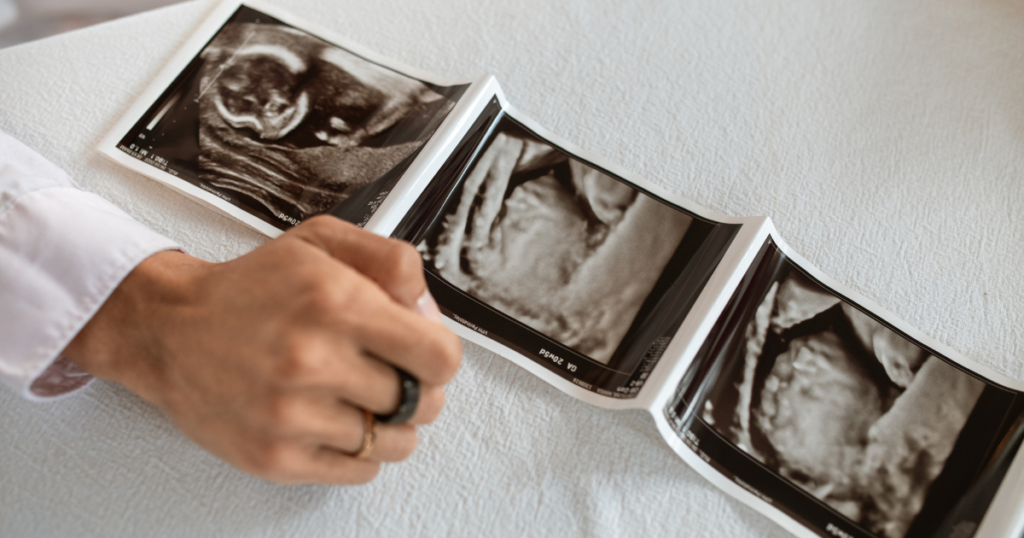
During the later stages of the recovery process, it is common to observe an increased appetite and a bigger belly in your dog. What is important to remember, however, is that a big belly may also be caused by other problems. If you observe sudden pain or hardening of your dog’s tummy, it is advisable to get in touch with your veterinarian right away.
Behavioral Pregnancy Symptoms
Behavioral symptoms during pregnancy can be equally prominent. A pregnant dog could be more relaxed while resting. Some dogs may become more loving and desire more affection. However, some dogs may wish to be left alone during this time. These behavioral changes vary between different dogs.
The other evident symptom of pregnancy in a dog includes nesting behavior. The dog may start looking for a secluded area for resting. It may also show signs of arranging its bedding and preparing for the delivery.
The dog may seem to have become more possessive of its territory as the pregnancy advances.

Other signs of behavioral pregnancy include changes in behavior and activity level. Even though behavior pregnancy signs may indicate that pregnancy has occurred, they cannot be regarded as definitive evidence of pregnancy, since the animal may exhibit the same behavior in stressful situations due to its changing hormonal state.
Appetite and Weight-Related Pregnancy Symptoms
An important sign of pregnancy in dogs is loss of appetite. The feeling of not being hungry in a pregnant dog occurs chiefly because of her hormonal changes along with slight nausea. As the pregnancy progresses, the dog will eventually return to eating normally since she now needs all the necessary minerals and nutrients for her new puppies. Gaining weight is another important indicator. However, it is dangerous to go overboard when it comes to food consumption. Excessive food consumption can lead to extreme weight gain, which makes both delivery and pregnancy more difficult. Veterinarians can determine whether dogs consume sufficient food.

Pregnant dogs need a healthy diet with enough nutrients for their needs. If your dog eats less, stops eating, or keeps vomiting, this is not normal.
A veterinarian is the only professional who.
Late Pregnancy Symptoms and Preparing for Birth
It becomes simpler to recognize pregnancy symptoms in the later stages. The dog’s abdomen might be larger, and it could prefer lying down rather than being active. There are changes happening in the mammary glands as the already mentioned preparation for nursing begins. Nesting behavior is among the common signs of pregnancy. A dog may tend to arrange its bedding or look for a quiet place.

Some dogs stop eating as labor approaches; they may be restless, move a lot, pant, or act differently due to imminent labor. Preparing an area that is clean, tranquil, and comfortable for your dog to give birth in is crucial. Keep an eye on your dog during late pregnancy. If she becomes very weak, has severe pain, heavy bleeding, or any other worrying symptoms, contact a vet immediately.