
Introduction
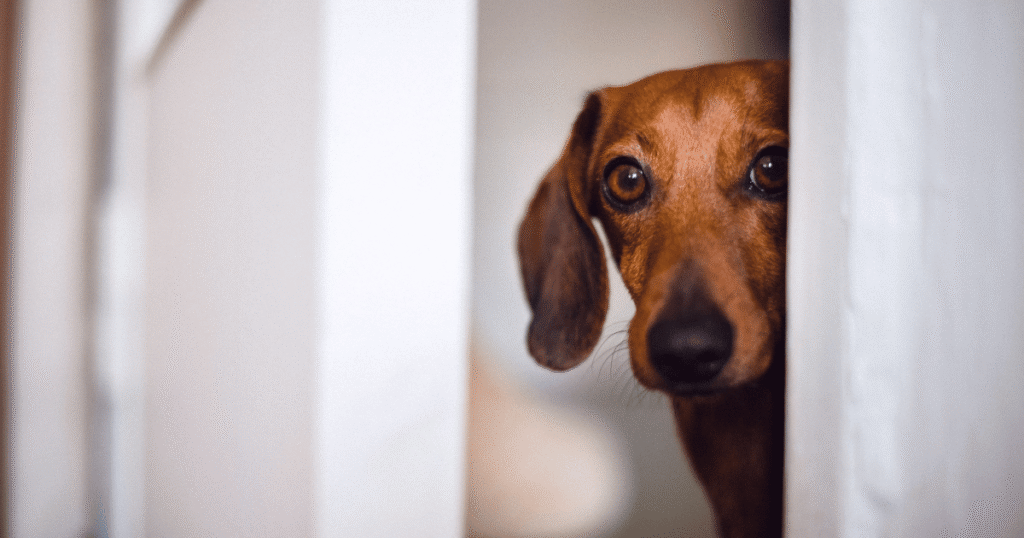
Separation anxiety in dogs is the stress or fear they feel when they are left alone. It is often mistaken for boredom, but it is actually caused by being away from their owner. Since dogs are social animals, they enjoy being with people and may become anxious when left by themselves for long periods. Dogs that suffer from separation anxiety will always seek the help of their parents in one way or another through barking and scratching the door to escape. Some dogs even go to extreme lengths of chewing through anything in their way. On the other hand, the term “separation anxiety” refers to a condition that occurs emotionally among dogs. Numerous pet owners feel unhappy when they think about the dogs suffering from anxiety. However, learning about how exactly it manifests its impact can aid the dog owner in coping with it the right way, applying techniques that require certain skills and a great deal of understanding.
Signs of Separation Anxiety
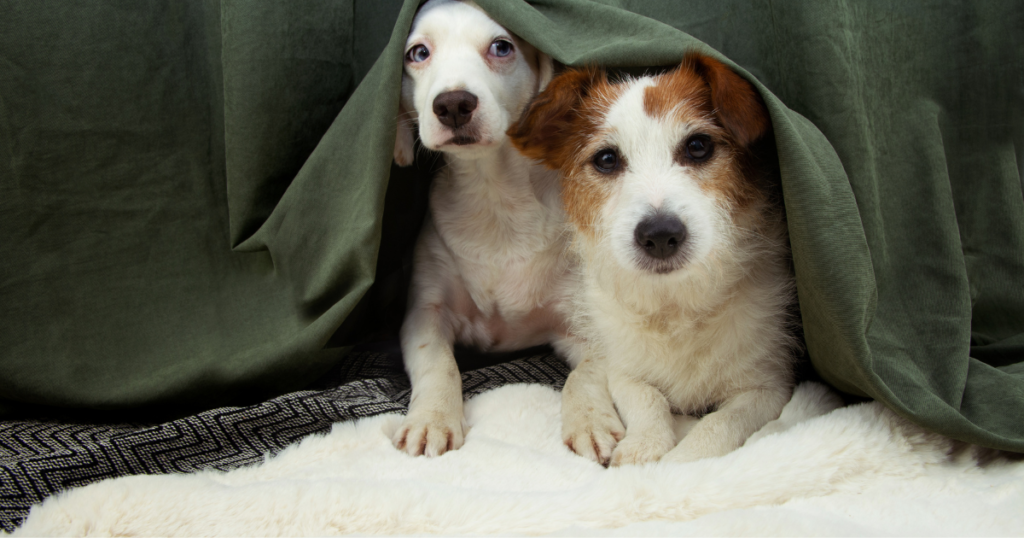
Recognition of signs of anxiety in dogs makes it very easy to spot them when they occur. Dogs may bark or howl for hours after their owners leave them alone. Their behavior can include some violent acts such as breaking doors, biting furniture, and trying to get out through the windows. Another sign of separation anxiety is when a dog keeps pacing back and forth. These behaviors are not because your dog wants to get back at you. They are signs that your dog is feeling stressed, anxious, and uncomfortable when left alone. Owners may misinterpret what is separation anxiety by thinking their dogs are misbehaving. The truth of the matter is dogs suffer emotional pain. If the signs appear solely when the dog is left alone, one may assume it is suffering from separation anxiety. This is why it is important to know the signs in the first place to avoid their development.
Why Dogs Develop Separation Anxiety

Separation anxiety in dogs has various causes, and knowing about these causes is essential for finding the solution. A notable factor is sudden alterations in daily schedules and routines that can lead to confusion and anxiety. Dogs might also get anxious easily due to previous experiences of abandonment, which they sometimes feel they are about to face again. Discover trusted tips on dog care, puppy training, pet health, grooming, and nutrition at Prime Pet Care. Understanding the root cause of separation anxiety can help owners in customizing treatment. From routine trauma to attachment, the process of dealing with separation anxiety can be simplified with the help of proper care and patience.
How to Help with Separation Anxiety

Where a dog exhibits feelings of anxiety at being left alone, it is necessary to employ the qualities of patience, consistency, and love towards the dog. Teach your dog that being alone for a short time is safe. You can do this by creating a comfortable and secure space at home where your dog feels relaxed. Taking your dog for a walk or playing with them before you leave can help. A tired dog is usually calmer and less likely to experience separation anxiety. Owners should also refrain from saying overly dramatic goodbyes since it only makes separation anxiety worse, as calmly leaving tells dogs that leaving is normal. Puzzle toys filled with treats can serve to keep dogs occupied and minimize separation anxiety. Some owners find that leaving behind an item of clothing with their scent can ease their dogs’ anxiety. Consistency is necessary; dogs will learn over time that it will pass and their owner will eventually come back.
Training and Professional Support
Sometimes, the degree of anxiety can be so high that simple remedies are not enough to help a dog, and professional training is necessary. Such training teaches commands like “settle” or “wait,” which will ease their feelings of anxiety and make it easier for them to tolerate the separation. The professional trainers will create their own method of dealing with it, since only these specialists know what to do with dogs that experience strong anxiety. In some cases, a veterinarian may prescribe some kinds of medicine or calming supplements that decrease anxiety. Even though these supplements will not solve the problem of separation anxiety, they are very useful for the process of training. Dog owners ought to have patience and be willing to seek out different solutions until they reach one that works with their dog’s separation anxiety. Support groups and the internet can help by providing support in dealing with separation anxiety. Asking for advice from professionals should not be seen as a failure; rather, it shows the owner’s commitment to the well-being of their dog.